
Stress Management Through Sleep Regulation:How Quality Sleep Restores Mental and Physical Balance

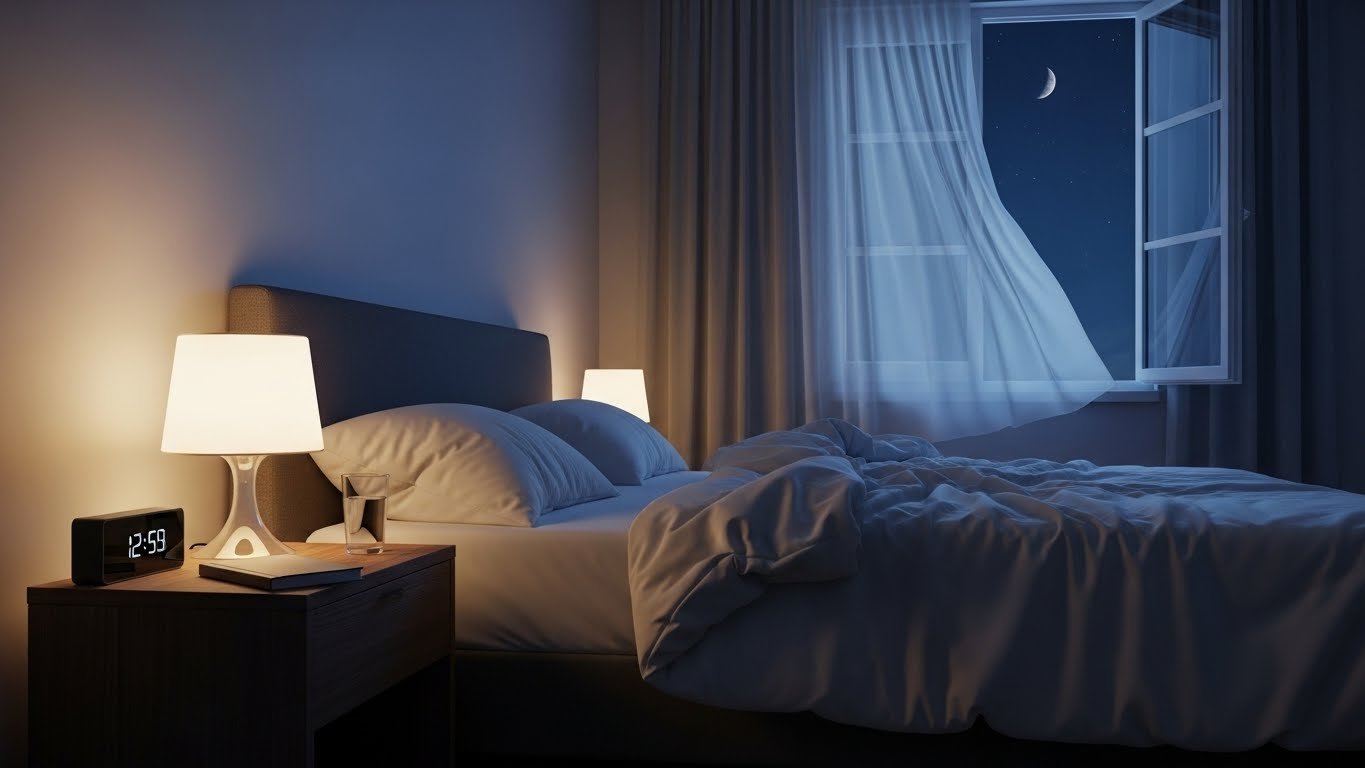
Stress Management Through Sleep Regulation: How Quality Sleep Restores Mental and Physical Balance
Stress management through sleep regulation is rapidly becoming a top priority for people searching for how to improve sleep quality naturally, best sleep habits for stress relief, and how to lower cortisol levels before bedtime. In today’s fast-paced world, millions struggle with chronic stress and insomnia, often trapped in a cycle where stress disrupts sleep—and poor sleep makes stress even worse.
This growing problem has led many to explore natural sleep solutions for anxiety and stress, deep sleep recovery techniques, and how sleep restores mental health and energy levels.
What many don’t realize is that sleep is not just rest—it is a critical biological process where the brain and body actively repair, reset, and rebalance. During high-quality sleep, stress hormones like cortisol decrease, while essential functions such as memory consolidation, emotional regulation, and cellular repair are optimized.
Without proper sleep, the brain’s ability to manage stress weakens, leading to increased anxiety, poor concentration, mood swings, and long-term health risks.
When your sleep cycle is disrupted, your body remains in a constant state of alertness, as if facing ongoing danger. This prolonged “fight or flight” mode drains your energy, weakens your immune system, and creates a mental fog that affects your daily performance. On the other hand, consistent, deep sleep allows your nervous system to reset, helping you wake up feeling calm, focused, and mentally resilient.
Understanding the powerful link between sleep and stress is the first step toward breaking this cycle. By improving your sleep quality through simple, science-based strategies, you can naturally reduce stress levels, restore balance, and regain control over both your mental and physical well-being.
The Science of Stress and Sleep Regulation
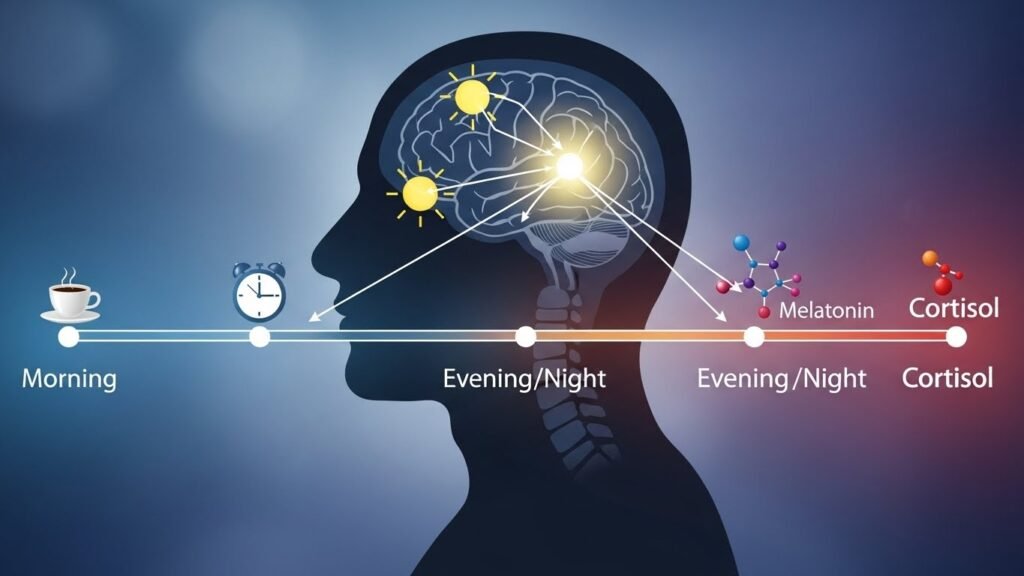
Stress activates the hypothalamic–pituitary–adrenal (HPA) axis, leading to the release of cortisol. While cortisol is essential for alertness and survival, chronic elevation—especially at night—disrupts sleep onset and sleep depth.
Key stress-related sleep disruptions include:
-
Delayed melatonin release
-
Fragmented sleep cycles
-
Reduced deep (slow-wave) sleep
-
Increased nighttime awakenings
This explains why stress management must address sleep physiology directly.
If you’re tired of restless nights and waking up feeling drained, it’s time to change that. Discover a powerful, science-backed solution designed to improve your sleep quality, reduce stress, and help you wake up refreshed and fully recharged every morning >>>>>Click here
How Stress Disrupts Sleep Architecture
Sleep occurs in structured cycles consisting of:
-
Light sleep (N1–N2)
-
Deep sleep (N3)
-
REM sleep
Stress interferes with this architecture by:
-
Shortening deep sleep duration
-
Increasing light sleep dominance
-
Triggering early-morning awakenings
Without sufficient deep sleep, the brain cannot effectively downregulate stress responses.

Cortisol, Melatonin, and the Stress–Sleep Loop
Healthy sleep depends on a precise hormonal balance:
-
Cortisol should peak in the morning
-
Melatonin should rise in the evening
Chronic stress delays melatonin release while keeping cortisol elevated at night. This hormonal mismatch explains insomnia, restless sleep, and morning fatigue.
Effective stress management through sleep focuses on restoring this rhythm.
Poor sleep and constant stress don’t have to control your life. Take the first step toward deeper sleep and a calmer mind by exploring this proven method that helps you relax faster and recover overnight >>>>>Click Here
Circadian Rhythm and Stress Sensitivity
The circadian rhythm synchronizes sleep with environmental light cues. Stress increases sensitivity to circadian disruption, particularly from:
-
Evening blue light exposure
-
Irregular sleep schedules
-
Late-night mental stimulation
Even small circadian misalignments can significantly increase stress reactivity the following day.
Deep Sleep and Nervous System Recovery
Deep sleep is the primary phase for:
-
Nervous system recovery
-
Memory consolidation
-
Emotional processing
-
Stress hormone regulation
Research shows that individuals with reduced deep sleep experience:
-
Heightened anxiety
-
Lower stress tolerance
-
Increased emotional reactivity
Protecting deep sleep is therefore central to long-term stress management.
Lifestyle Strategies for Stress Management Through Sleep
Science-backed approaches include:
1. Consistent Sleep Timing
Regular sleep-wake schedules stabilize cortisol rhythms.
2. Evening Light Reduction
Reducing blue light exposure supports melatonin production.
3. Pre-Sleep Wind-Down Routines
Relaxation techniques reduce nervous system activation.
4. Sleep Environment Optimization
Dark, quiet, cool environments promote deeper sleep stages.

Nutritional and Supplemental Support for Sleep and Stress
Certain nutritional strategies may support sleep physiology by:
-
Supporting neurotransmitter balance
-
Reducing nighttime stress activation
-
Promoting relaxation before bed
Imagine falling asleep بسهولة and waking up with real energy and mental clarity. This trusted solution is designed to support deep, restorative sleep—click now and start transforming your nights and days>>>>>Click Here

The Role of Sleep in Emotional Regulation
Sleep enhances the brain’s ability to regulate emotional responses by strengthening communication between the prefrontal cortex and emotional centers such as the amygdala.
Poor sleep weakens this regulation, leading to:
-
Heightened stress perception
-
Reduced emotional control
-
Increased irritability
This reinforces why sleep quality is foundational to stress management.
When Sleep-Based Stress Management Is Not Enough
While sleep optimization is powerful, persistent stress may require:
-
Professional guidance
-
Cognitive stress-management techniques
-
Lifestyle restructuring
Sleep should be viewed as a cornerstone—not a standalone solution.
* [How sleep affects mental clarity]
* [Nutrition habits for long-term wellness]
(FAQs): Stress Management Through Sleep Regulation
❓ FAQ 1: Can poor sleep increase stress levels?
Yes. Poor sleep elevates cortisol and reduces emotional regulation, significantly increasing stress sensitivity.
❓ FAQ 2: How many hours of sleep support stress management?
Most adults benefit from 7–9 hours of high-quality sleep, though individual needs vary.
❓ FAQ 3: Does deep sleep reduce stress hormones?
Yes. Deep sleep actively lowers cortisol and supports nervous system recovery.
❓ FAQ 4: Can improving sleep reduce anxiety?
Improved sleep quality often leads to better emotional regulation and reduced anxiety symptoms.
❓ FAQ 5: How long does it take to see stress improvement from better sleep?
Some improvements may appear within days, while full stress regulation benefits develop over several weeks.
Your body needs quality sleep to fight stress and restore balance. Don’t ignore the signs—try this effective approach that helps regulate your sleep cycle and naturally lower stress levels>>>>>Click Here
Conclusion
Prioritizing sleep is one of the most effective ways to manage stress and protect your overall health. By creating consistent sleep habits, reducing nighttime stress, and allowing your body the rest it truly needs, you allow yourself to recover, recharge, and function at your best.
Quality sleep is more than just a nightly routine—it’s a foundation for a calmer mind, stronger body, and more balanced life. When you improve your sleep, you transform the way you handle stress every single day.
Stop struggling with insomnia and daily stress. Discover how this simple yet powerful solution can help you sleep better, feel calmer, and regain control of your mental and physical well-being starting tonight>>>>>Click Here
Disclaimer
This content is for educational purposes only and is not medical advice.
Discover more insights on mindful living, mental clarity, and holistic wellness by visiting mindbodyshifts.com.
Explore our latest articles and practical ideas designed to help you create meaningful mind–body balance in everyday life.
21 thoughts on “Stress Management Through Sleep Regulation:How Quality Sleep Restores Mental and Physical Balance”