
Why Sleep Changes After 30: The Science Behind Adult Sleep Shifts and How to Adapt

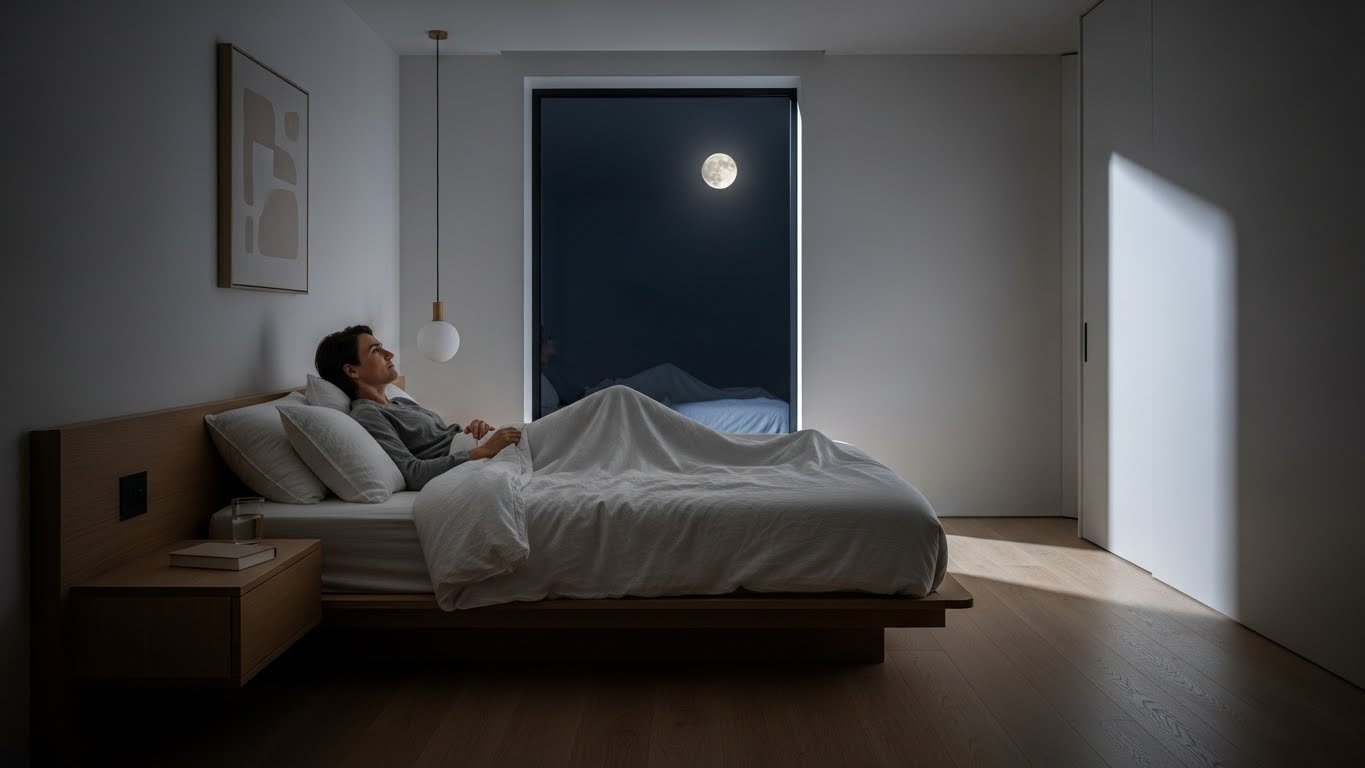
Why Sleep Changes After 30: The Science Behind Adult Sleep Shifts and How to Adapt
Noticing changes in your sleep lately? Understanding why sleep changes after 30, how it affects your sleep quality, and what happens to your circadian rhythm and deep sleep can help you take back control of your nights. Many adults in their 30s start searching for ways to sleep better naturally, improve deep sleep, and fix frequent nighttime awakenings—and there’s a clear scientific reason behind it.
As you enter your 30s, subtle but frustrating sleep changes often begin to appear. You may find it harder to fall asleep, experience more nighttime waking, or wake up feeling less refreshed—even after a full night in bed. These shifts are not random. Research shows they are linked to changes in hormone levels, brain activity, stress, and circadian rhythm regulation.
Your body’s internal clock becomes more sensitive, while factors like lifestyle demands, screen exposure, and stress can further disrupt your natural sleep cycle. At the same time, the amount of deep, restorative sleep may gradually decline, affecting energy, focus, and recovery.
Understanding the biological reasons behind these changes is the first step. Once you know what’s happening, you can apply simple, effective strategies to improve sleep quality naturally, restore balance, and wake up feeling energized again.
Why Sleep Changes After 30: A Biological Perspective

The body’s sleep system is regulated by a complex interaction between the brain, hormones, and circadian rhythms. After age 30, several gradual physiological changes begin to affect this system.
Key contributors include:
-
Reduced melatonin production
-
Changes in sleep architecture
-
Increased stress sensitivity
-
Slower recovery from sleep disruption
These factors combine to explain why sleep changes after 30, even in otherwise healthy adults.
Hormonal Shifts and Melatonin Decline

Melatonin is the hormone responsible for signaling sleep onset. Research shows that melatonin secretion gradually declines with age, starting in early adulthood.
Lower melatonin levels can lead to:
-
Difficulty falling asleep
-
More frequent nighttime awakenings
-
Reduced deep sleep duration
This hormonal shift is one of the primary scientific explanations for changing sleep quality after 30.
Struggling with sleep changes after 30?
👉 Discover a simple solution designed to help you fall asleep faster and wake up refreshed. >>>>>Clik Here
Changes in Sleep Architecture After 30
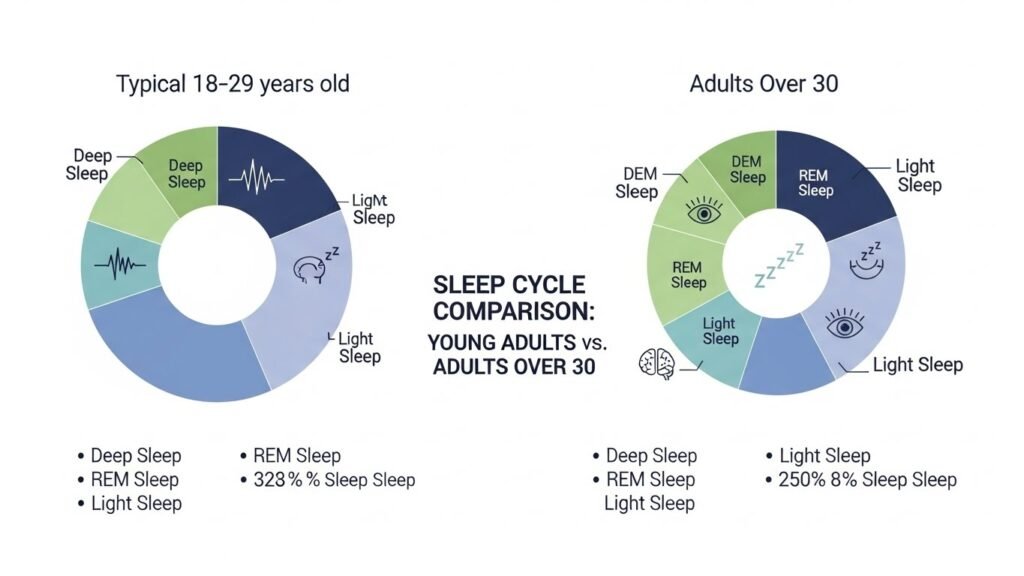
Sleep occurs in cycles composed of light sleep, deep sleep, and REM sleep. As adults age, the proportion of deep sleep (slow-wave sleep) decreases.
Scientific studies demonstrate that:
-
Deep sleep becomes shorter and more fragmented
-
Light sleep stages increase
-
The brain becomes more reactive to noise and light
These structural changes help explain why adults wake up more easily and feel less rested, even after a full night in bed.
Circadian Rhythm Shifts in Adulthood

The circadian rhythm controls when the body feels alert or sleepy. After 30, this internal clock becomes more sensitive to environmental disruptions such as:
-
Artificial light exposure
-
Irregular sleep schedules
-
Late-night screen use
Blue light exposure in the evening suppresses melatonin and delays sleep onset, further reinforcing the perception that sleep quality declines with age.
Wondering how to get deeper, more restful sleep as you age?
👉 See how this powerful sleep support tool can upgrade your nightly routine.>>>>>Click Here
Stress, Cortisol, and Adult Sleep
Stress physiology plays a major role in sleep changes after 30. Cortisol, the body’s primary stress hormone, tends to remain elevated longer into the evening in adults.
Elevated nighttime cortisol can:
-
Delay sleep onset
-
Reduce deep sleep
-
Increase early-morning awakenings
This explains why mental activity and stress-related thoughts interfere more with sleep in adulthood.
Lifestyle Factors That Amplify Sleep Changes
While biology sets the stage, lifestyle factors amplify sleep challenges after 30:
-
Reduced physical activity
-
Increased caffeine sensitivity
-
Late-night eating
-
Irregular sleep timing
Addressing these factors is essential when working to improve sleep quality in adulthood.
Supporting Healthy Sleep After 30
Science-based strategies can help counteract age-related sleep changes:
-
Consistent sleep-wake schedules
-
Evening light reduction
-
Stress regulation techniques
-
Supporting natural melatonin production
Targeted nutritional and sleep-support strategies may also help optimize nighttime recovery.
Ready to improve your sleep quality and boost your daily energy?
👉 Explore this natural sleep support option and feel the difference tonight. >>>>>Clik Here
When to Consider Sleep Support Supplements

Certain supplements may support sleep physiology by:
-
Supporting melatonin signaling
-
Reducing nighttime nervous system activation
-
Enhancing relaxation before bed
Don’t let poor sleep drain your focus and productivity.
👉 Take control of your sleep now with a proven, easy-to-use solution. >>>>>Clik Here
Related Articles:
* [Guide to stress management and brain health]
* [How sleep affects mental clarity]
* [Nutrition habits for long-term wellness]
Frequently Asked Questions (FAQs)
❓ FAQ 1: At what age does sleep quality start to decline?
Sleep quality can begin to change in the early 30s due to hormonal and neurological shifts, though the experience varies between individuals.
❓ FAQ 2: Is it normal to wake up more at night after 30?
Yes. Increased nighttime awakenings are common due to lighter sleep stages and greater sensitivity to environmental stimuli.
❓ FAQ 3: Does aging reduce deep sleep?
Yes. Research shows that deep sleep duration gradually decreases with age, contributing to less restorative sleep.
❓ FAQ 4: Can sleep quality after 30 be improved?
Absolutely. Lifestyle adjustments, circadian alignment, stress management, and proper sleep hygiene can significantly improve sleep quality.
❓ FAQ 5: Do sleep supplements help adults over 30?
Some supplements may support sleep onset and quality when used responsibly alongside healthy sleep habits.
Conclusion
Understanding why sleep changes after 30 empowers adults to take informed, science-based steps toward better rest. While biological changes are inevitable, poor sleep is not.
By addressing hormonal shifts, circadian rhythm disruptions, stress physiology, and lifestyle habits, it is possible to restore deep, restorative sleep and protect long-term health and energy.
Sleep may change with age—but with the right strategy, it can improve.
Upgrade your sleep, upgrade your life.
👉 Check out this trusted sleep solution and start sleeping better today.>>>>> Click Here
Disclaimer:
This content is for educational purposes only and is not medical advice.
Discover more insights on mindful living, mental clarity, and holistic wellness by visiting mindbodyshifts.com.
Explore our latest articles and practical ideas designed to help you create meaningful mind–body balance in everyday life.
5 thoughts on “Why Sleep Changes After 30: The Science Behind Adult Sleep Shifts and How to Adapt”