
Deep Sleep Optimization :how to increase slow-wave sleep naturally

Deep Sleep Optimization: how to increase slow-wave sleep naturally
Want to increase deep sleep naturally and improve your energy, focus, and recovery? Deep sleep optimization—especially boosting slow-wave sleep—is one of the most effective ways to enhance sleep quality, hormone balance, and overall health. If you’ve been searching for how to sleep better at night naturally or how to get more deep, restorative sleep, the answer lies in understanding how your body regulates sleep at a deeper level.
Many people struggle with poor sleep quality, low energy, and frequent waking, even after 7–8 hours in bed. This often means they are not getting enough slow-wave sleep (deep sleep)—the stage responsible for physical recovery, brain detox, muscle repair, and memory consolidation. Without it, your body can’t fully recharge, leading to fatigue and reduced performance.
The good news is that you can improve slow-wave sleep naturally by supporting your circadian rhythm, nervous system balance, and sleep hormones like melatonin and growth hormone. Small changes in your daily routine, light exposure, and nighttime habits can significantly increase deep sleep duration and quality.
In this guide, you’ll discover proven strategies to boost deep sleep naturally, optimize your sleep cycles, and create the ideal conditions for deep, restorative sleep—so you wake up feeling refreshed, energized, and ready to perform at your best.
What Is Deep Sleep and Why Does It Matter
Deep sleep, also known as slow-wave sleep (SWS), is the most physically restorative stage of sleep. During this phase, brain waves slow dramatically, muscle activity decreases, and the body enters a state of profound repair.
Deep sleep is essential for:
-
Tissue repair and muscle recovery
-
Immune system strengthening
-
Growth hormone release
-
Nervous system reset
-
Clearing metabolic waste from the brain
Without sufficient deep sleep, the body remains in a low-grade stress state—even if total sleep time appears adequate.
The Science of Slow-Wave Sleep
Sleep Stages Explained
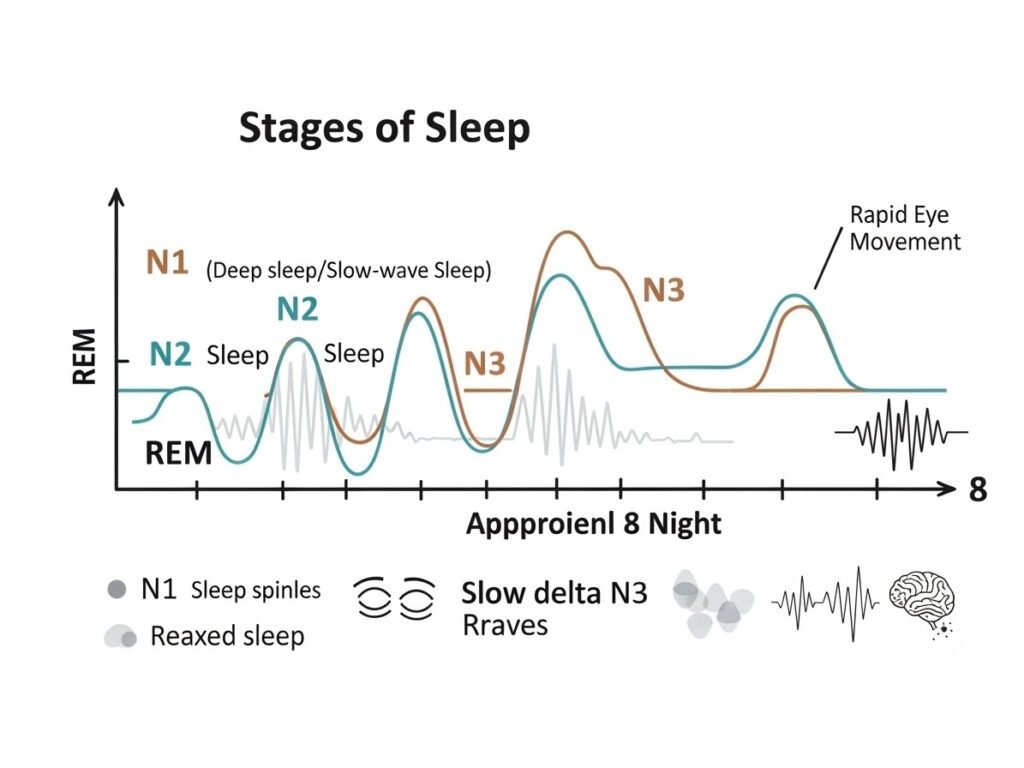
Sleep consists of four primary stages:
-
N1: Light sleep
-
N2: Deeper light sleep
-
N3: Deep sleep (slow-wave sleep)
-
REM: Rapid eye movement sleep
Deep sleep occurs mainly in the first half of the night, making early bedtime critical for deep sleep optimization.
What Happens During Deep Sleep
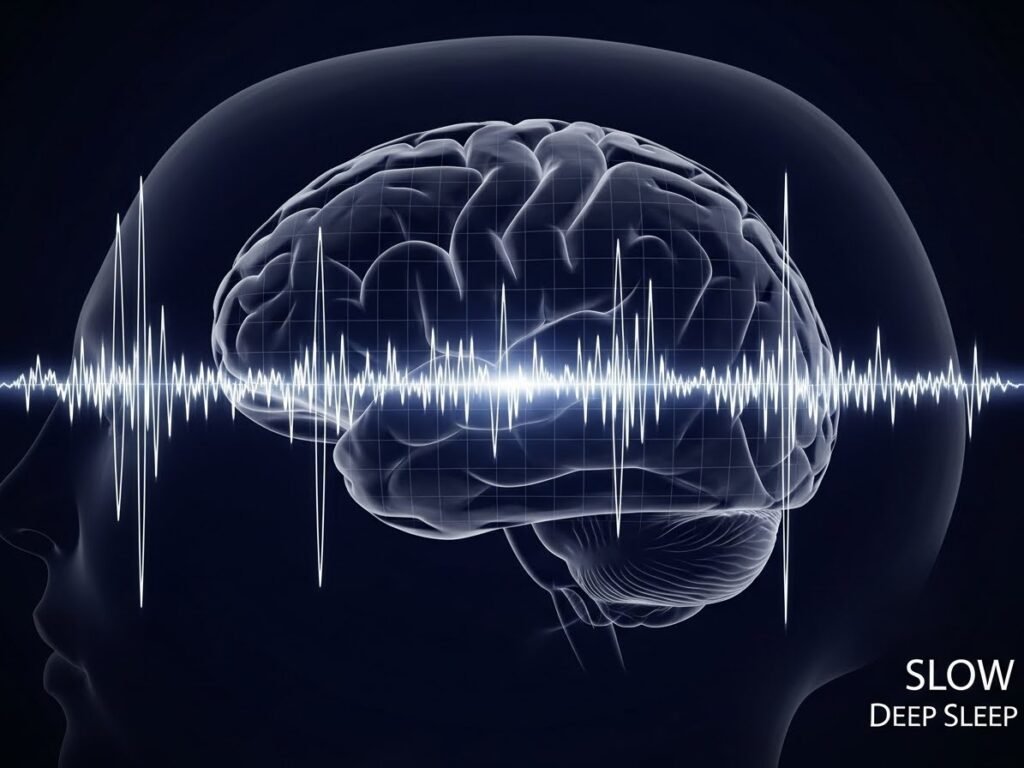
During slow-wave sleep:
-
Heart rate and blood pressure drop
-
Cortisol reaches its lowest point
-
Growth hormone peaks
-
The brain’s glymphatic system clears toxins
This is why fragmented sleep dramatically reduces recovery—even if you sleep longer.
Signs You Are Not Getting Enough Deep Sleep
Common indicators include:
-
Waking up feeling unrefreshed
-
Brain fog and poor concentration
-
Increased cravings and appetite
-
Reduced exercise recovery
-
Heightened stress sensitivity
Many people misinterpret these symptoms as aging, when the real issue is deep sleep deficiency.
Support deeper sleep with a clean, science-backed supplement
Formulated to promote deep sleep, relaxation, and overnight recovery—without grogginess>>>>>Click Here
Why Modern Life Reduces Deep Sleep
Several lifestyle factors suppress slow-wave sleep:
-
Artificial light at night
-
Chronic psychological stress
-
Late-night eating
-
Alcohol consumption
-
Irregular sleep schedules
These factors elevate nighttime cortisol and fragment sleep cycles.
Proven Strategies for Deep Sleep Optimization
Reduce Nighttime Cortisol
Lowering cortisol is the most powerful lever for deep sleep optimization.
-
Avoid intense workouts after 7 PM
-
Establish a calming pre-bed routine
-
Practice slow breathing or meditation
Optimize Light and Darkness
Deep sleep depends on a strong melatonin signal.
-
Dim lights after sunset
-
Use blackout curtains
-
Avoid screens 60–90 minutes before bed
Enhance deep sleep naturally—without habit-forming ingredients
This supplement helps calm the nervous system and supports longer, more restorative sleep cycles>>>>>Click Here
Magnesium and GABA Support
Magnesium supports GABA—the brain’s primary calming neurotransmitter. Clinical data suggests:
-
Magnesium glycinate: relaxation
-
Magnesium threonate: brain penetration
Body Temperature and Deep Sleep
Deep sleep increases when core body temperature drops.
-
Cool bedroom (18–20°C / 65–68°F)
-
Warm shower before bed (paradoxical cooling effect)
Nervous System Regulation
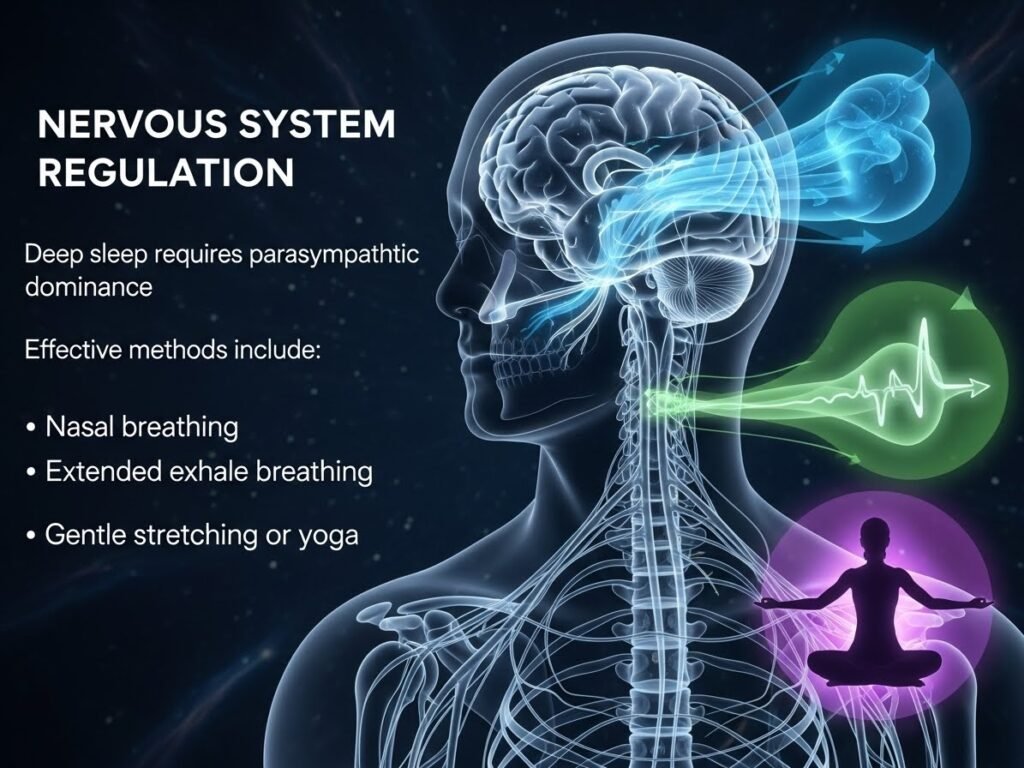
Deep sleep requires parasympathetic dominance.
Effective methods include:
-
Nasal breathing
-
Extended exhale breathing
-
Gentle stretching or yoga
Evening Nutrition for Deep Sleep
Blood sugar instability increases nighttime awakenings.
-
Avoid heavy late meals
-
Consider a small protein-based snack
Supplements That Support Deep Sleep (Optional)
Supplements should support—not replace—behavioral changes.
Evidence-backed options:
-
Magnesium (glycinate or threonate)
-
L-theanine
-
Glycine
⚠️ Avoid high-dose melatonin for long-term use.
How Long Does It Take to Increase Deep Sleep?
-
7–10 days: improved sleep continuity
-
2–4 weeks: measurable deep sleep increase
-
6–8 weeks: full circadian stabilization
Tracking tools can help, but subjective recovery is equally important.
Upgrade your deep sleep and wake up refreshed
A thoughtfully blended sleep supplement designed to improve sleep depth, quality, and next-day energy>>>>>Click Here
Related Articles:
* [Guide to stress management and brain health]
* [Nutrition habits for long-term wellness]
❓ Frequently Asked Questions (FAQ–Schema ): Deep Sleep Optimization
What is deep sleep optimization?
It is the process of increasing slow-wave sleep through lifestyle and biological alignment.
What reduces deep sleep the most?
Stress, alcohol, late-night light exposure, and irregular sleep schedules.
Can you increase deep sleep naturally?
Yes. Light control, stress reduction, and magnesium support are highly effective.
Does alcohol increase deep sleep?
No. Alcohol fragments sleep and reduces slow-wave sleep.
Is deep sleep more important than REM sleep?
Both are important, but deep sleep is critical for physical recovery.
Conclusion:
Optimizing your sleep isn’t about chasing more hours—it’s about improving the quality of those hours. By focusing on deep sleep optimization and learning how to increase slow-wave sleep naturally, you give your body the chance to fully recover, recharge, and perform at its best.
Simple changes—like managing light exposure, reducing stress, supporting your nervous system, and maintaining a consistent sleep routine—can significantly improve your sleep quality, energy levels, and overall well-being. Over time, these habits help regulate your sleep cycles and increase the amount of deep, restorative sleep your body gets each night.
The key is consistency. Small, intentional steps repeated daily can lead to powerful, lasting results. Start with one or two habits, build gradually, and allow your body to return to its natural rhythm.
Better sleep isn’t a luxury—it’s a foundation for better health, sharper focus, and a more energized life.
Deep sleep is where true recovery happens.
Disclaimer:
This content is for educational purposes only and is not medical advice.
Discover more insights on mindful living, mental clarity, and holistic wellness by visiting mindbodyshifts.com.
Explore our latest articles and practical ideas designed to help you create meaningful mind–body balance in everyday life.
19 thoughts on “Deep Sleep Optimization :how to increase slow-wave sleep naturally”