
How Blue Light Affects Sleep Naturally: Simple Ways to Improve Sleep Quality at Night


How Blue Light Affects Sleep Naturally: Simple Ways to Improve Sleep Quality at Night
Struggling to sleep better at night naturally? One of the most common hidden causes of poor sleep is exposure to blue light Before Bed. Understanding how blue light affects sleep and learning how to reduce blue light naturally can significantly improve your sleep quality, melatonin levels, and deep sleep cycles.
In today’s digital world, screens are everywhere—phones, laptops, TVs—and they all emit blue light that can interfere with your body’s natural sleep signals. This exposure can delay melatonin production, disrupt your circadian rhythm, and make it harder to fall asleep or stay asleep.
The good news is that you can fix this. By making small adjustments to your evening routine and minimizing blue light exposure at night, you can naturally enhance sleep quality, fall asleep more quickly, and wake up feeling more refreshed and energized.
What Is Blue Light?
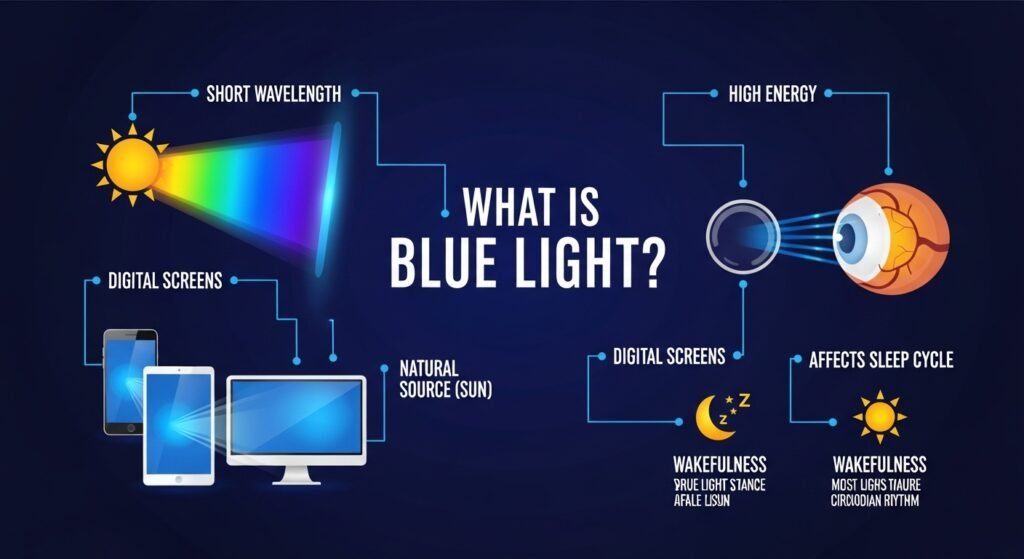
Blue light is a short-wavelength, high-energy light emitted by the sun and artificially by screens, LED lighting, and digital devices. During the day, blue light is beneficial because it:
-
Increases alertness
-
Improves mood
-
Regulates circadian rhythm
The problem arises when blue light exposure continues after sunset.
Struggling to fall asleep because of screen time?
👉 Try this easy sleep support option designed to reduce blue light impact and boost melatonin.>>>>> Click Here
Why Blue Light Has Such a Powerful Effect on Sleep
The human brain evolved to associate blue light with daytime. Specialized retinal cells send blue-light signals directly to the suprachiasmatic nucleus (SCN)—the brain’s circadian control center.
When the brain detects blue light at night, it delays the body’s transition into sleep mode.
How Blue Light Disrupts Sleep Quality

Blue Light and Melatonin Suppression
Melatonin production begins after sunset. Even small amounts of blue light can suppress melatonin by 50% or more, delaying sleep onset.
This is a core reason many people struggle with sleep quality, as explained in
👉 [Evening Habits That Improve Sleep Quality]
* [Guide to stress management and brain health]
* [How sleep affects mental clarity]
* [Nutrition habits for long-term wellness]
Blue Light and Cortisol Activation
Blue light signals alertness, triggering cortisol release. Elevated nighttime cortisol is strongly linked to poor sleep and frequent awakenings.
Blue Light and Deep Sleep Reduction
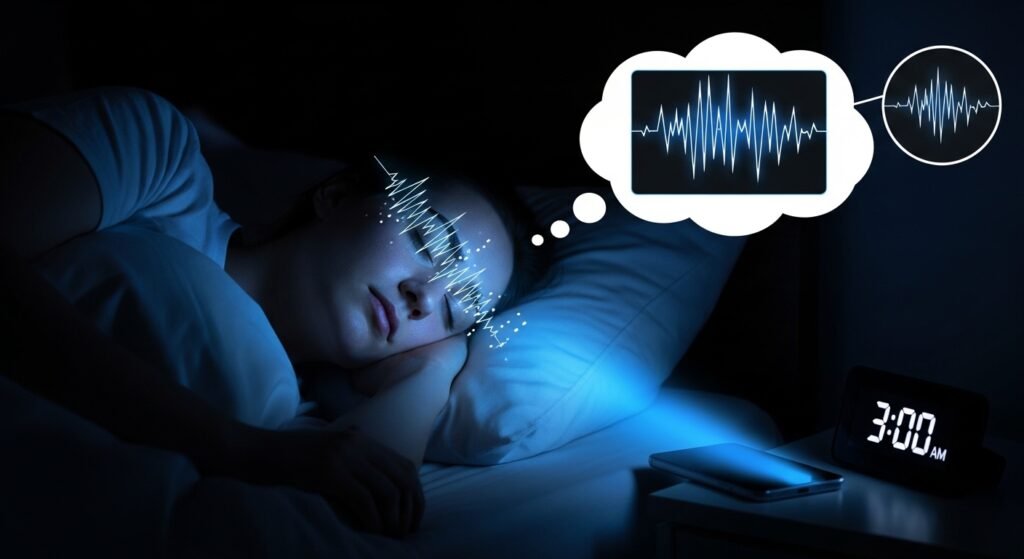
Blue light delays sleep onset and shifts sleep cycles later into the night. Because deep sleep occurs primarily in the first half of the night, this shift reduces slow-wave sleep.
Screens Before Bed: The Real Problem
Phones, tablets, laptops, and TVs emit concentrated blue light at close range. Unlike sunlight, screens:
-
Are viewed inches from the eyes
-
Are used during mental stimulation
-
Extend exposure deep into the night
Don’t let poor sleep drain your energy every day.
👉 Take control of your sleep tonight with this natural support solution.? >>>>> Click Here
Signs Blue Light Is Ruining Your Sleep
-
Difficulty falling asleep
-
Racing thoughts at night
-
Waking up tired despite enough sleep
-
Reduced deep sleep on trackers
-
Increased nighttime anxiety
How to Protect Your Sleep From Blue Light
Reduce Screen Exposure at Night
-
Stop screen use 60–90 minutes before bed
-
Avoid scrolling in bed
-
Use nighttime routines instead (reading, breathing)
Use Blue Light Blocking Tools
When screen avoidance isn’t possible:
-
Use blue light-blocking glasses
-
Enable night-shift or warm display modes
Optimize Evening Lighting
-
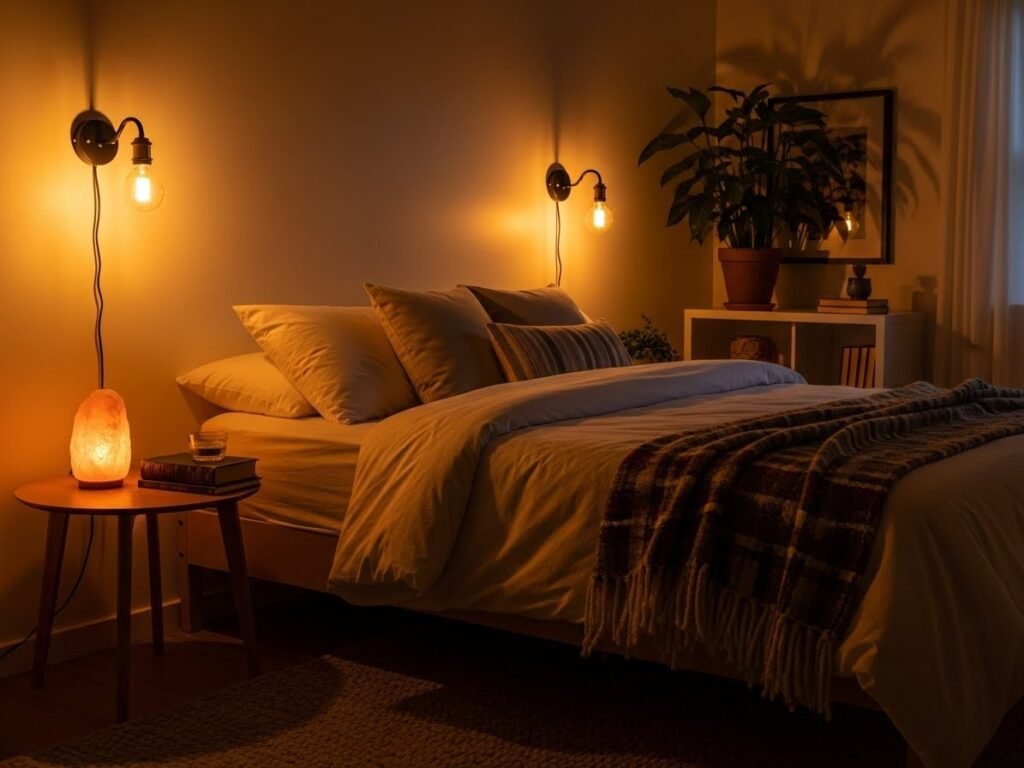
Use warm, low-lumen lamps
-
Avoid overhead LED lights
-
Use candlelight-style bulbs
These strategies support the nervous system calming techniques discussed in
How Long Does It Take to Recover From Blue Light Exposure?
-
3–5 nights: easier sleep onset
-
1–2 weeks: improved melatonin rhythm
-
3–4 weeks: deeper, more stable sleep
Consistency matters more than perfection.
Upgrade your nighttime routine and improve your sleep starting today.
👉 Check out this trusted sleep support solution and feel the difference tonight. ??? >>>>> Click Here
❓ (FAQs – Schema): How Blue Light Affects Sleep Naturally
Does blue light really affect sleep?
Yes. It directly suppresses melatonin and delays sleep.
Is night mode on phones enough?
It helps, but does not fully eliminate blue light exposure.
Are blue light glasses effective?
Yes, especially when used consistently at night.
How late is too late to use screens?
Ideally, avoid screens 60–90 minutes before bed.
Does blue light affect deep sleep?
Yes. It reduces slow-wave sleep by delaying sleep cycles.
Conclusion
Understanding how blue light disrupts sleep empowers you to protect one of your most vital biological systems. By reducing nighttime blue light exposure, you allow melatonin to rise, cortisol to fall, and deep sleep to return naturally.
Improving your sleep doesn’t always require complicated solutions. By understanding how blue light disrupts sleep and taking simple steps to reduce exposure, you can support your body’s natural rhythm and improve overall rest.
Small habits—like limiting screen time before bed, using warm lighting, and creating a relaxing nighttime routine—can make a big difference over time. Consistency is key. The more you align your environment with your body’s natural needs, the easier it becomes to achieve deep, restorative sleep naturally.
Better sleep starts with awareness—and small changes can lead to powerful results.
Disclaimer:
This content is for educational purposes only and is not medical advice.
Discover more insights on mindful living, mental clarity, and holistic wellness by visiting mindbodyshifts.com.
Explore our latest articles and practical ideas designed to help you create meaningful mind–body balance in everyday life.
3 thoughts on “How Blue Light Affects Sleep Naturally: Simple Ways to Improve Sleep Quality at Night”