


Why Sleep Changes After 30: The Science Behind Adult Sleep Shifts and How to Adapt Introduction Many adults begin to notice subtle but frustrating sleep changes in their early thirties. Falling asleep takes longer. Nighttime awakenings become more frequent. Deep, refreshing sleep feels harder to achieve. These changes are not random. Scientific research clearly explains
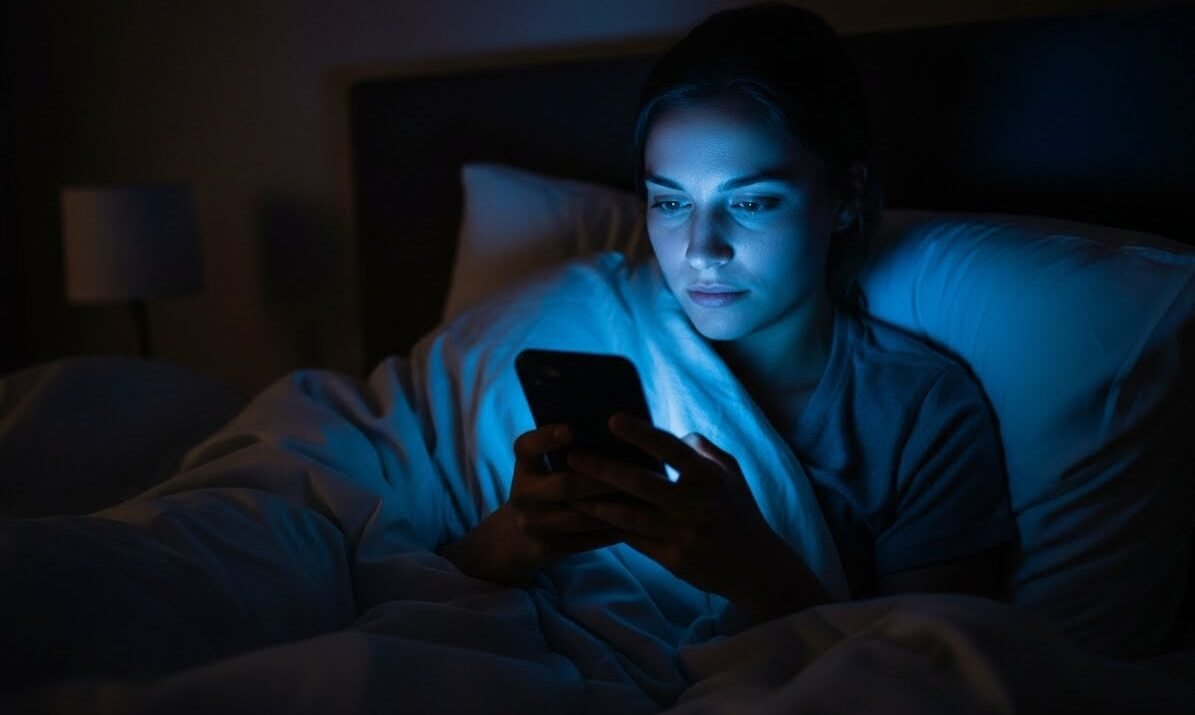
How Blue Light Disrupts Sleep: what to do to sleep better naturally. What Is Blue Light? Blue light is a short-wavelength, high-energy light emitted by the sun and artificially by screens, LED lighting, and digital devices. During the day, blue light is beneficial because it: Increases alertness Improves mood Regulates circadian rhythm The problem arises
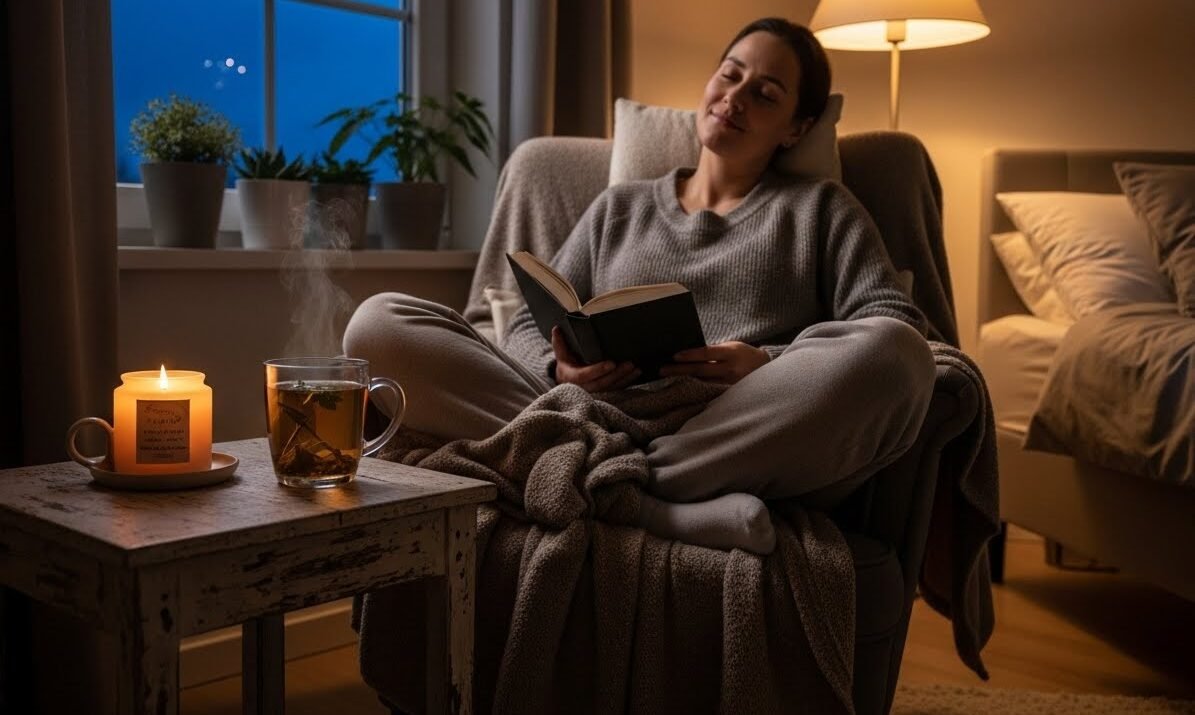
Evening Habits That Improve Sleep Quality: How your nighttime routine affects hormones, deep sleep Why Evening Habits Matter More Than You Think Most people focus on how many hours they sleep, yet overlook what happens in the final hours before bed. Your evening habits directly influence hormone release, nervous system activity, and sleep architecture. Sleep
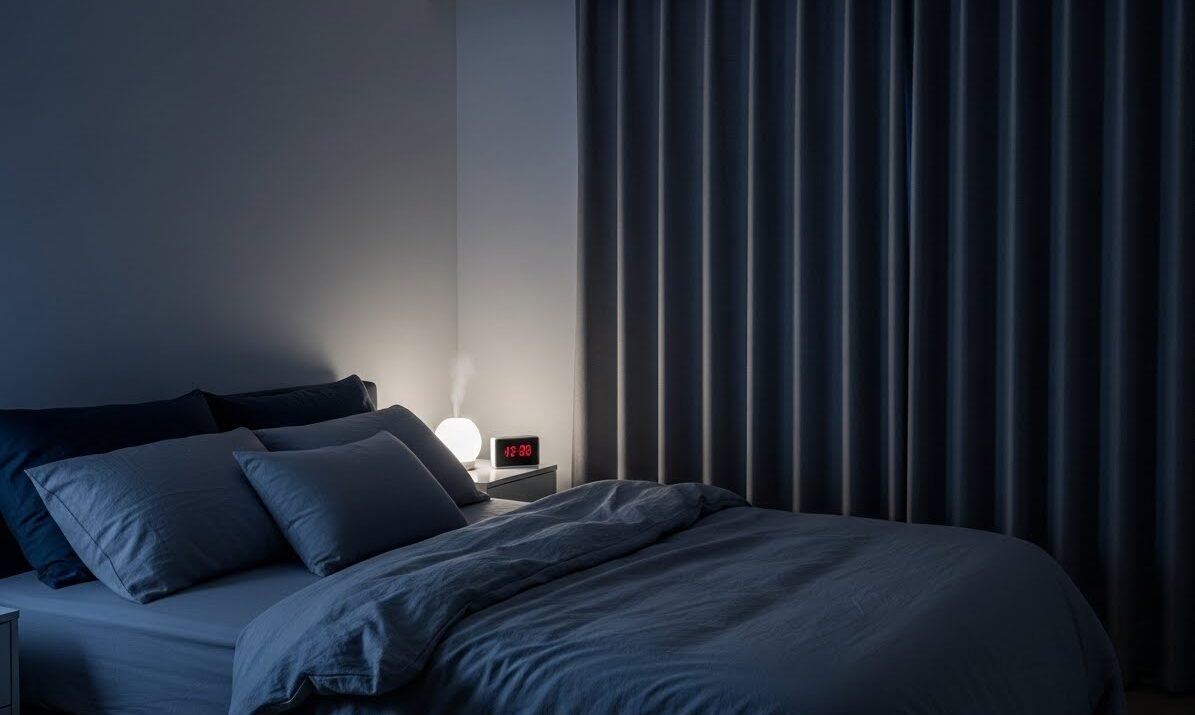
Deep Sleep Optimization: how to increase slow-wave sleep naturally What Is Deep Sleep and Why Does It Matter Deep sleep, also known as slow-wave sleep (SWS), is the most physically restorative stage of sleep. During this phase, brain waves slow dramatically, muscle activity decreases, and the body enters a state of profound repair. Deep sleep
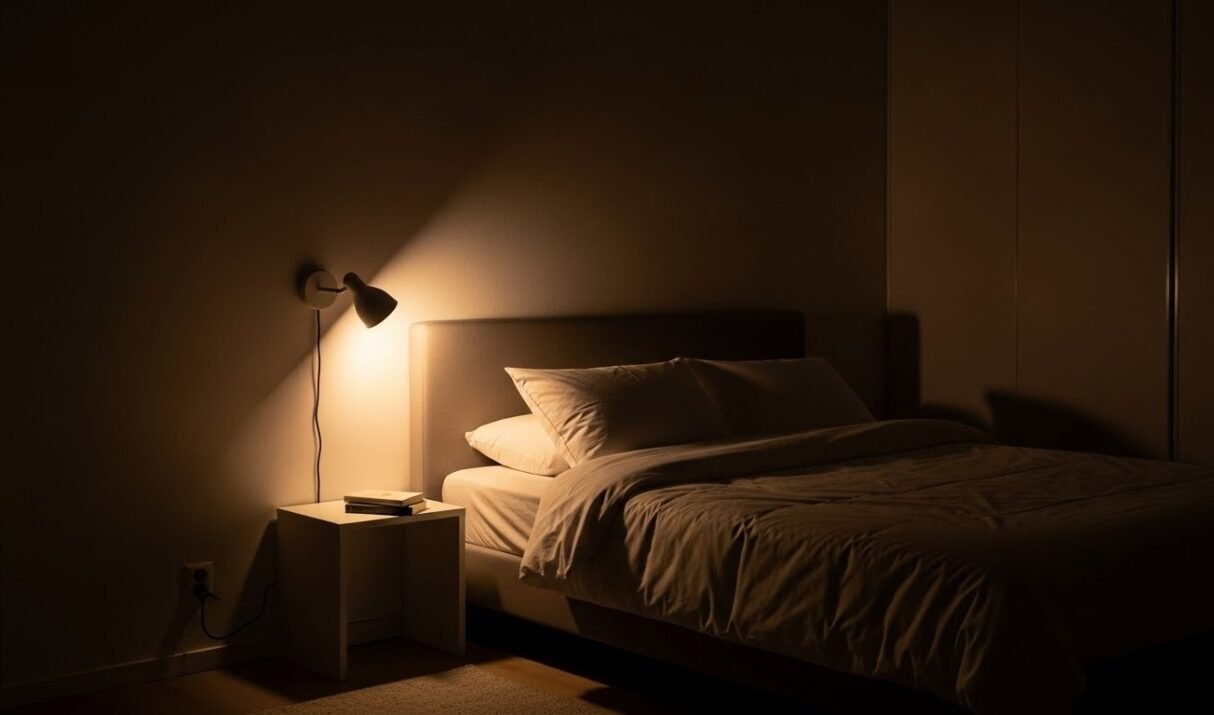
Improve Sleep Quality Naturally: Learn how sleep cycles, hormones, and the nervous system affect deep Why Sleep Quality Matters More Than Sleep Duration Many people believe that sleeping longer automatically means better rest. In reality, sleep quality matters far more than sleep duration. If your sleep lacks deep, restorative stages, even eight or nine