
Deep Sleep Optimization :how to increase slow-wave sleep naturally

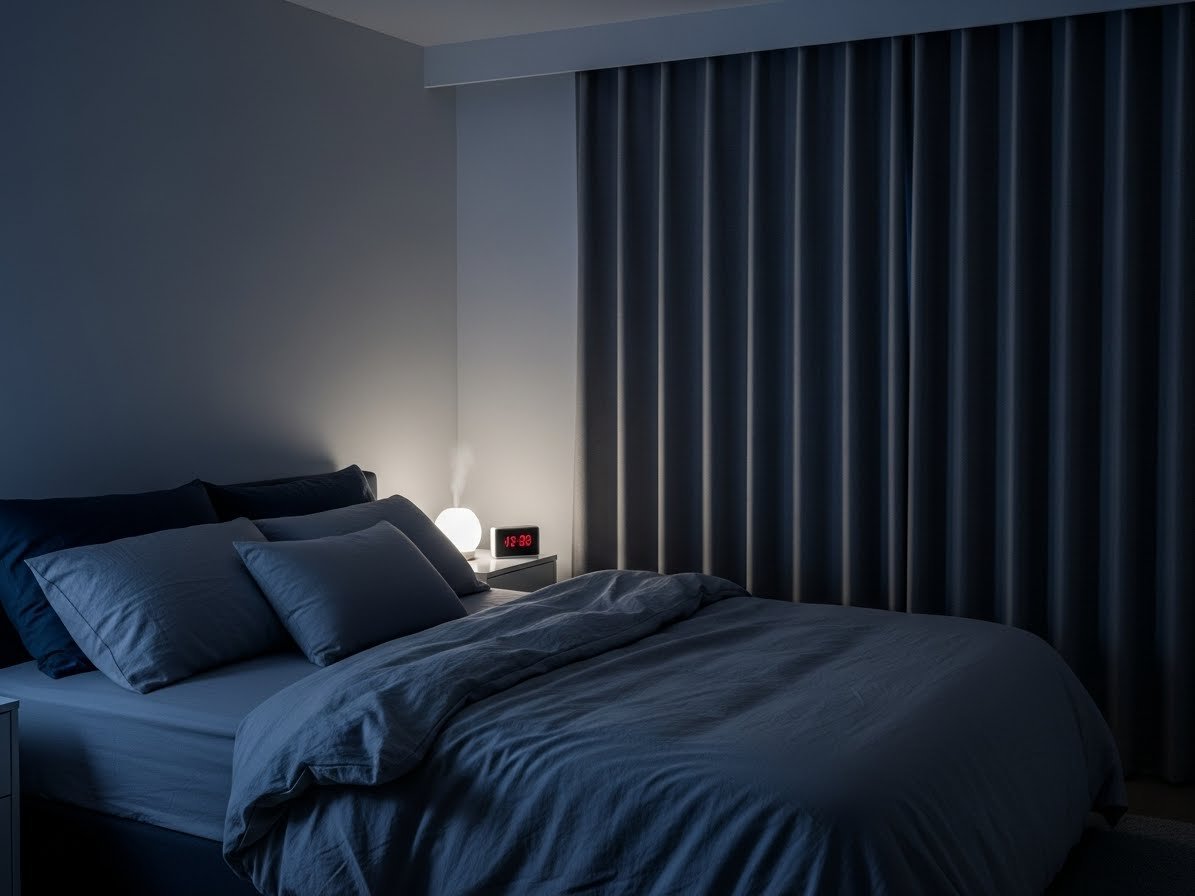
Deep Sleep Optimization: how to increase slow-wave sleep naturally
What Is Deep Sleep and Why Does It Matter
Deep sleep, also known as slow-wave sleep (SWS), is the most physically restorative stage of sleep. During this phase, brain waves slow dramatically, muscle activity decreases, and the body enters a state of profound repair.
Deep sleep is essential for:
-
Tissue repair and muscle recovery
-
Immune system strengthening
-
Growth hormone release
-
Nervous system reset
-
Clearing metabolic waste from the brain
Without sufficient deep sleep, the body remains in a low-grade stress state—even if total sleep time appears adequate.
The Science of Slow-Wave Sleep
Sleep Stages Explained
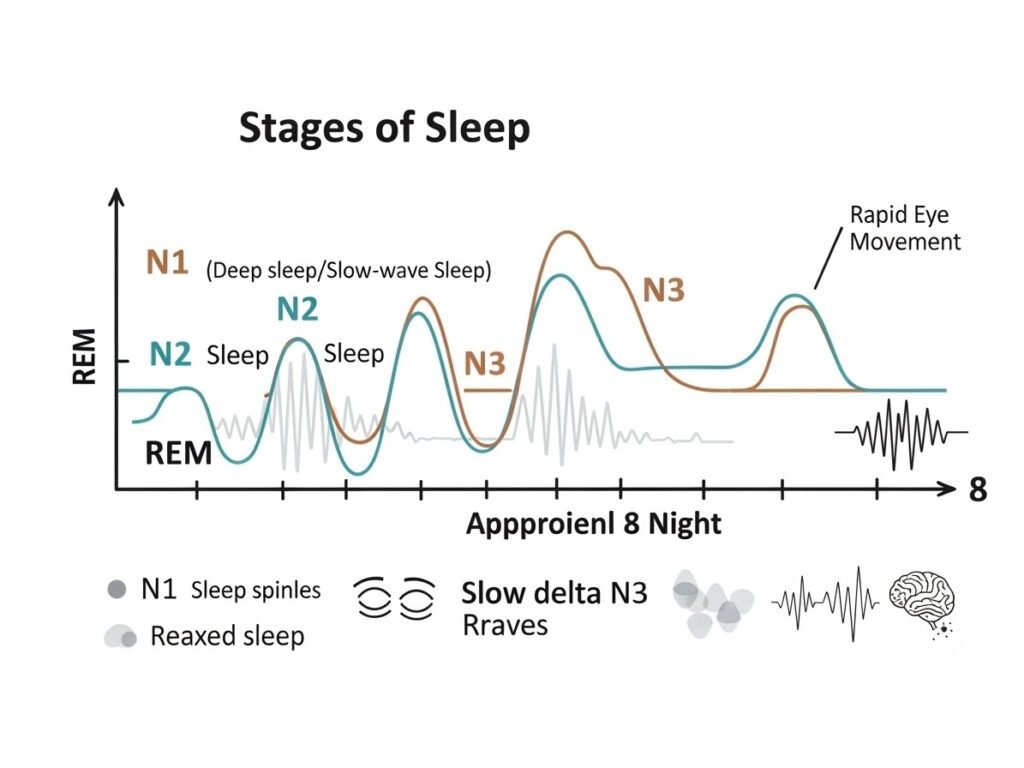
Sleep consists of four primary stages:
-
N1: Light sleep
-
N2: Deeper light sleep
-
N3: Deep sleep (slow-wave sleep)
-
REM: Rapid eye movement sleep
Deep sleep occurs mainly in the first half of the night, making early bedtime critical for deep sleep optimization.
What Happens During Deep Sleep
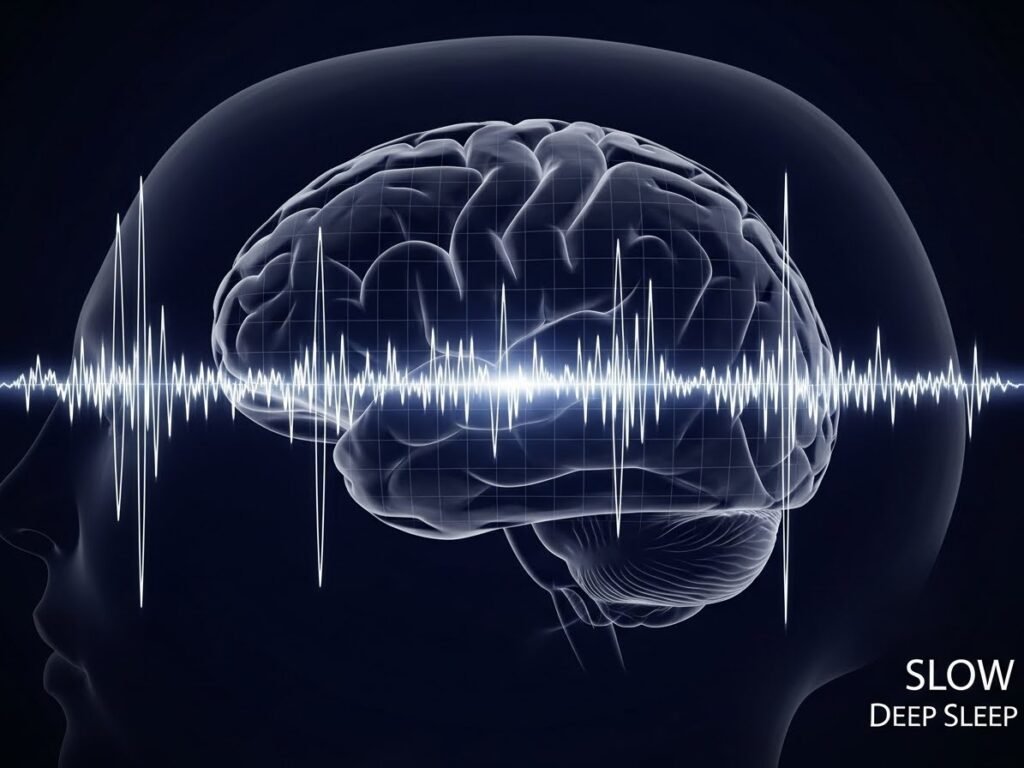
During slow-wave sleep:
-
Heart rate and blood pressure drop
-
Cortisol reaches its lowest point
-
Growth hormone peaks
-
The brain’s glymphatic system clears toxins
This is why fragmented sleep dramatically reduces recovery—even if you sleep longer.
Signs You Are Not Getting Enough Deep Sleep
Common indicators include:
-
Waking up feeling unrefreshed
-
Brain fog and poor concentration
-
Increased cravings and appetite
-
Reduced exercise recovery
-
Heightened stress sensitivity
Many people misinterpret these symptoms as aging, when the real issue is deep sleep deficiency.
Support deeper sleep with a clean, science-backed supplement
Formulated to promote deep sleep, relaxation, and overnight recovery—without grogginess>>>>>Click Here
Why Modern Life Reduces Deep Sleep
Several lifestyle factors suppress slow-wave sleep:
-
Artificial light at night
-
Chronic psychological stress
-
Late-night eating
-
Alcohol consumption
-
Irregular sleep schedules
These factors elevate nighttime cortisol and fragment sleep cycles.
Proven Strategies for Deep Sleep Optimization
Reduce Nighttime Cortisol
Lowering cortisol is the most powerful lever for deep sleep optimization.
-
Avoid intense workouts after 7 PM
-
Establish a calming pre-bed routine
-
Practice slow breathing or meditation
Optimize Light and Darkness
Deep sleep depends on a strong melatonin signal.
-
Dim lights after sunset
-
Use blackout curtains
-
Avoid screens 60–90 minutes before bed
Enhance deep sleep naturally—without habit-forming ingredients
This supplement helps calm the nervous system and supports longer, more restorative sleep cycles>>>>>Click Here
Magnesium and GABA Support
Magnesium supports GABA—the brain’s primary calming neurotransmitter. Clinical data suggests:
-
Magnesium glycinate: relaxation
-
Magnesium threonate: brain penetration
Body Temperature and Deep Sleep
Deep sleep increases when core body temperature drops.
-
Cool bedroom (18–20°C / 65–68°F)
-
Warm shower before bed (paradoxical cooling effect)
Nervous System Regulation
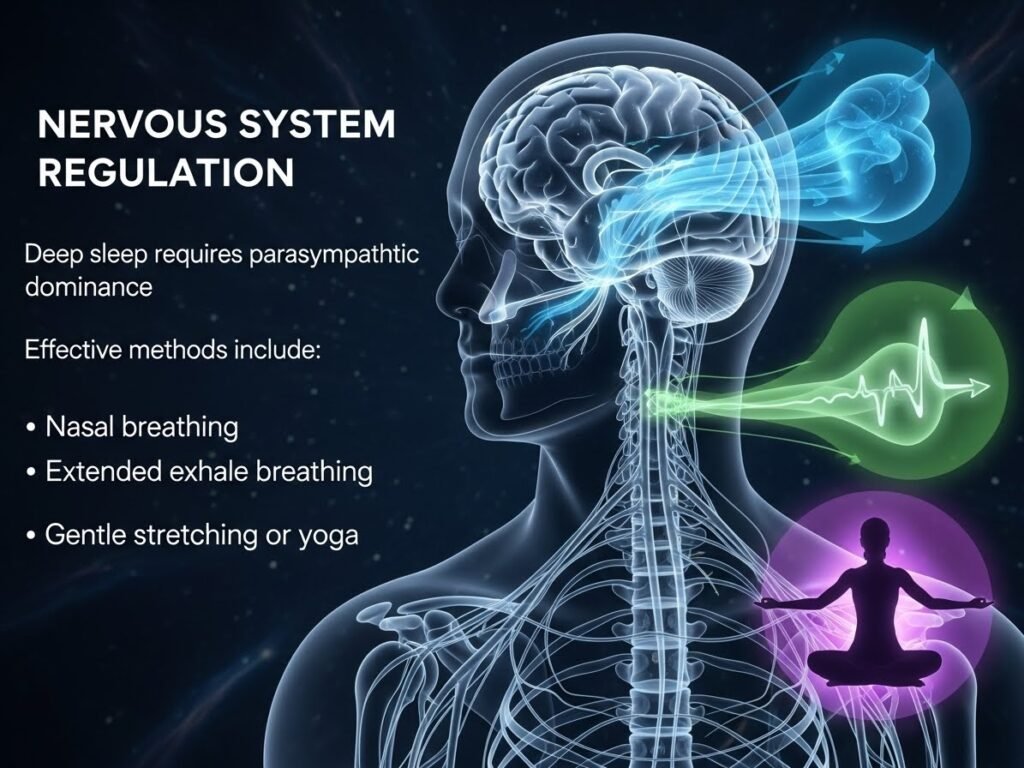
Deep sleep requires parasympathetic dominance.
Effective methods include:
-
Nasal breathing
-
Extended exhale breathing
-
Gentle stretching or yoga
Evening Nutrition for Deep Sleep
Blood sugar instability increases nighttime awakenings.
-
Avoid heavy late meals
-
Consider a small protein-based snack
Supplements That Support Deep Sleep (Optional)
Supplements should support—not replace—behavioral changes.
Evidence-backed options:
-
Magnesium (glycinate or threonate)
-
L-theanine
-
Glycine
⚠️ Avoid high-dose melatonin for long-term use.
How Long Does It Take to Increase Deep Sleep?
-
7–10 days: improved sleep continuity
-
2–4 weeks: measurable deep sleep increase
-
6–8 weeks: full circadian stabilization
Tracking tools can help, but subjective recovery is equally important.
Upgrade your deep sleep and wake up refreshed
A thoughtfully blended sleep supplement designed to improve sleep depth, quality, and next-day energy>>>>>Click Here
* [Guide to stress management and brain health]
* [Nutrition habits for long-term wellness]
❓ Frequently Asked Questions (FAQ–Schema )
What is deep sleep optimization?
It is the process of increasing slow-wave sleep through lifestyle and biological alignment.
What reduces deep sleep the most?
Stress, alcohol, late-night light exposure, and irregular sleep schedules.
Can you increase deep sleep naturally?
Yes. Light control, stress reduction, and magnesium support are highly effective.
Does alcohol increase deep sleep?
No. Alcohol fragments sleep and reduces slow-wave sleep.
Is deep sleep more important than REM sleep?
Both are important, but deep sleep is critical for physical recovery.
Conclusion
Deep sleep optimization is not about sleeping longer—it’s about sleeping smarter. By reducing nighttime stress signals, strengthening circadian rhythms, and calming the nervous system, you can dramatically increase slow-wave sleep naturally.
Deep sleep is where true recovery happens.
11 thoughts on “Deep Sleep Optimization :how to increase slow-wave sleep naturally”