
The Science of Stress Management:How the Brain and Body Respond to Chronic Stress

The Science of Stress Management: How the Brain and Body Respond to Chronic Stress
Introduction
Stress is a natural biological response that protects the body from danger. However, when stress becomes chronic, it shifts from being a survival mechanism to a significant threat to physical and mental health. Modern lifestyles expose individuals to persistent psychological stressors that continuously activate the body’s stress response system.
Understanding the science of stress management is essential for restoring balance, protecting long-term health, and improving emotional resilience. Research shows that effective stress management is not about eliminating stress, but about regulating how the brain and body respond to it.
What Is Stress from a Biological Perspective?
Stress begins in the brain. When a threat—real or perceived—is detected, the hypothalamus activates the hypothalamic-pituitary-adrenal (HPA) axis, triggering the release of stress hormones.
Key stress hormones include:
-
Cortisol
-
Adrenaline
-
Noradrenaline
These hormones prepare the body for action by increasing heart rate, sharpening focus, and mobilizing energy. While this response is beneficial short term, chronic activation disrupts multiple body systems.
Take control of stress with proven, research-based solutions today >>>>> Click Here
The Difference Between Acute and Chronic Stress
Acute Stress
-
Short-term
-
Situation-specific
-
Typically resolves quickly
-
Can enhance performance temporarily
Chronic Stress
-
Long-lasting
-
Often psychological or emotional
-
Continuously activates the stress response
-
Contributes to physical and mental health disorders
Effective stress management focuses primarily on reducing the harmful impact of chronic stress.
How Chronic Stress Affects the Brain
Scientific imaging studies show that prolonged stress alters brain structure and function.
Key Brain Changes
-
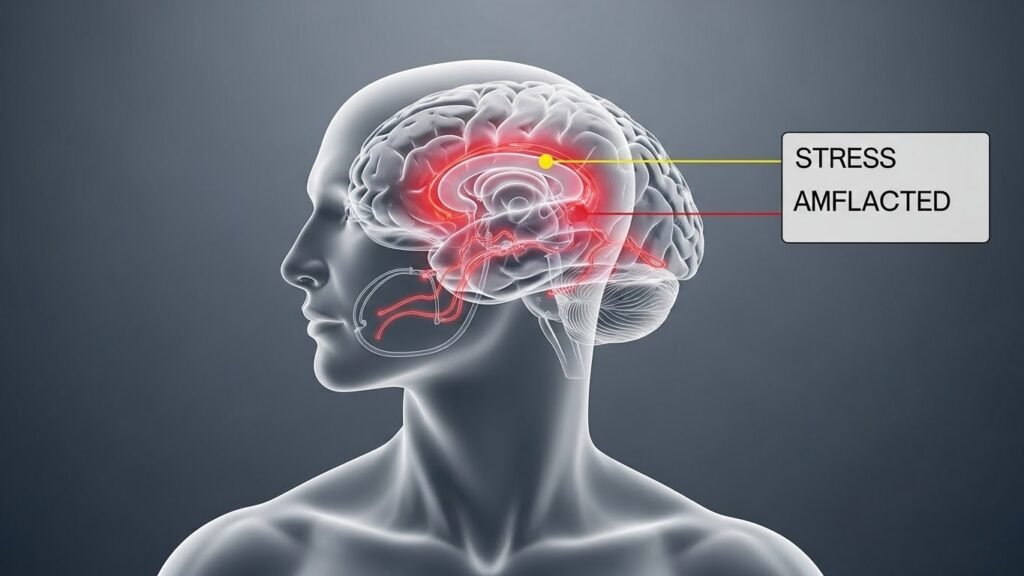
Amygdala: Becomes hyperactive, increasing fear and anxiety responses
-
Prefrontal Cortex: Reduced activity, impairing decision-making and emotional control
-
Hippocampus: Shrinks over time, affecting memory and emotional regulation
These neurological changes explain why unmanaged stress leads to irritability, brain fog, emotional exhaustion, and reduced resilience.
Start using evidence-based techniques to reduce stress today >>>>> Click Here
Cortisol Dysregulation and Stress Overload
Cortisol follows a natural daily rhythm—high in the morning, low at night. Chronic stress disrupts this rhythm, leading to:
-
Elevated evening cortisol
-
Difficulty relaxing
-
Sleep disturbances
-
Weakened immune response
One of the primary goals of stress management is restoring healthy cortisol patterns.
The Nervous System and Stress Regulation
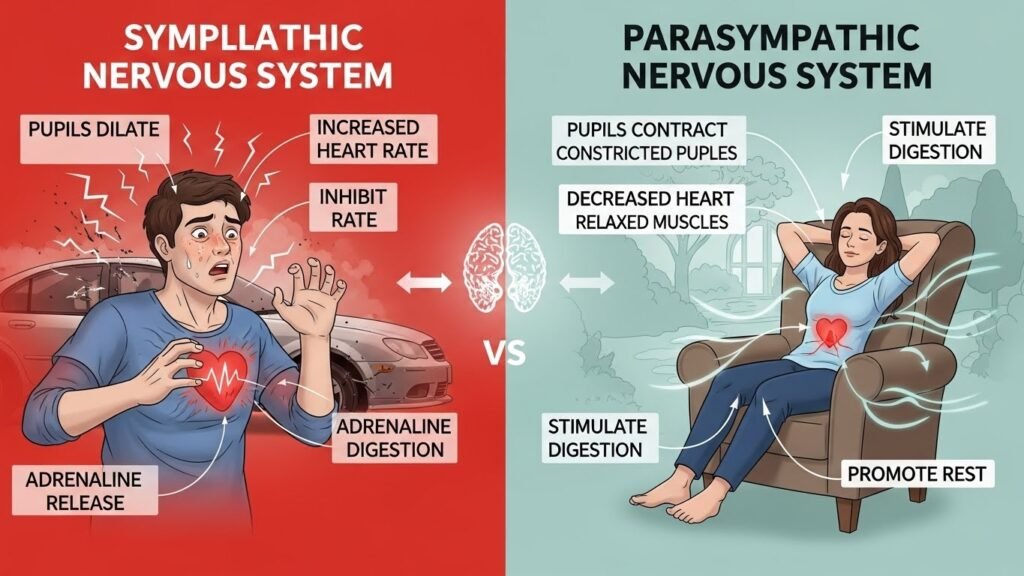
Stress activates the sympathetic nervous system (“fight or flight”). Long-term health depends on the balance between:
-
Sympathetic nervous system (activation)
-
Parasympathetic nervous system (recovery)
Chronic stress suppresses parasympathetic activity, preventing the body from fully recovering. Stress management techniques aim to re-engage the parasympathetic response.
📸 Image Prompt:
A visual comparison of sympathetic vs parasympathetic nervous system activity
Physical Health Consequences of Poor Stress Management
Chronic stress contributes to multiple health concerns, including:
-
Cardiovascular disease
-
Digestive disorders
-
Weakened immunity
-
Muscle tension and pain
-
Hormonal imbalances
Scientific evidence consistently links unmanaged stress to accelerated biological aging.
Explore effective stress management strategies now >>>> Click Here
Psychological Effects of Chronic Stress
Mentally, chronic stress increases the risk of:
-
Anxiety disorders
-
Depression
-
Burnout
-
Cognitive fatigue
-
Emotional dysregulation
Stress management is, therefore, a foundational pillar of mental health care.
* [Guide to stress management and brain health]
* [How sleep affects mental clarity]
* [Nutrition habits for long-term wellness]
Evidence-Based Stress Management Strategies
1. Nervous System Regulation
Practices such as deep breathing, mindfulness, and progressive relaxation activate the parasympathetic nervous system.
2. Physical Activity
Moderate exercise reduces cortisol and increases mood-regulating neurotransmitters.
3. Sleep Optimization
Quality sleep restores stress hormone balance and improves emotional resilience.
4. Cognitive Stress Management
Reframing thought patterns reduces perceived stress and emotional overload.

Consistency Over Intensity in Stress Management
Research emphasizes that small, consistent stress management practices are more effective than occasional intensive interventions. Daily regulation prevents stress accumulation and supports long-term nervous system health.
Frequently Asked Questions (FAQ)
❓ FAQ 1: What is stress management?
Stress management refers to strategies that help regulate the body’s physical and psychological response to stressors.
❓ FAQ 2: Can stress damage the brain?
Yes. Chronic stress can alter brain structure and function, particularly in areas related to memory and emotional control.
❓ FAQ 3: Is all stress harmful?
No. Short-term stress can be beneficial, but chronic stress is associated with negative health outcomes.
❓ FAQ 4: How long does it take for stress management to work?
Some benefits appear within days, while long-term neurological improvements may take weeks to months.
❓ FAQ 5: Can stress management improve sleep?
Yes. Regulating stress hormones directly supports healthier sleep patterns.
Conclusion
Stress is an unavoidable part of life, but its negative effects are not inevitable. Scientific research confirms that effective stress management protects the brain, balances hormones, and strengthens emotional resilience.
By understanding how stress impacts the nervous system and applying evidence-based regulation strategies, individuals can restore balance, improve mental clarity, and protect long-term health.
Stress does not need to control your life—management begins with awareness and consistency.