
how to improve brain health naturally :science backed tips for all ages

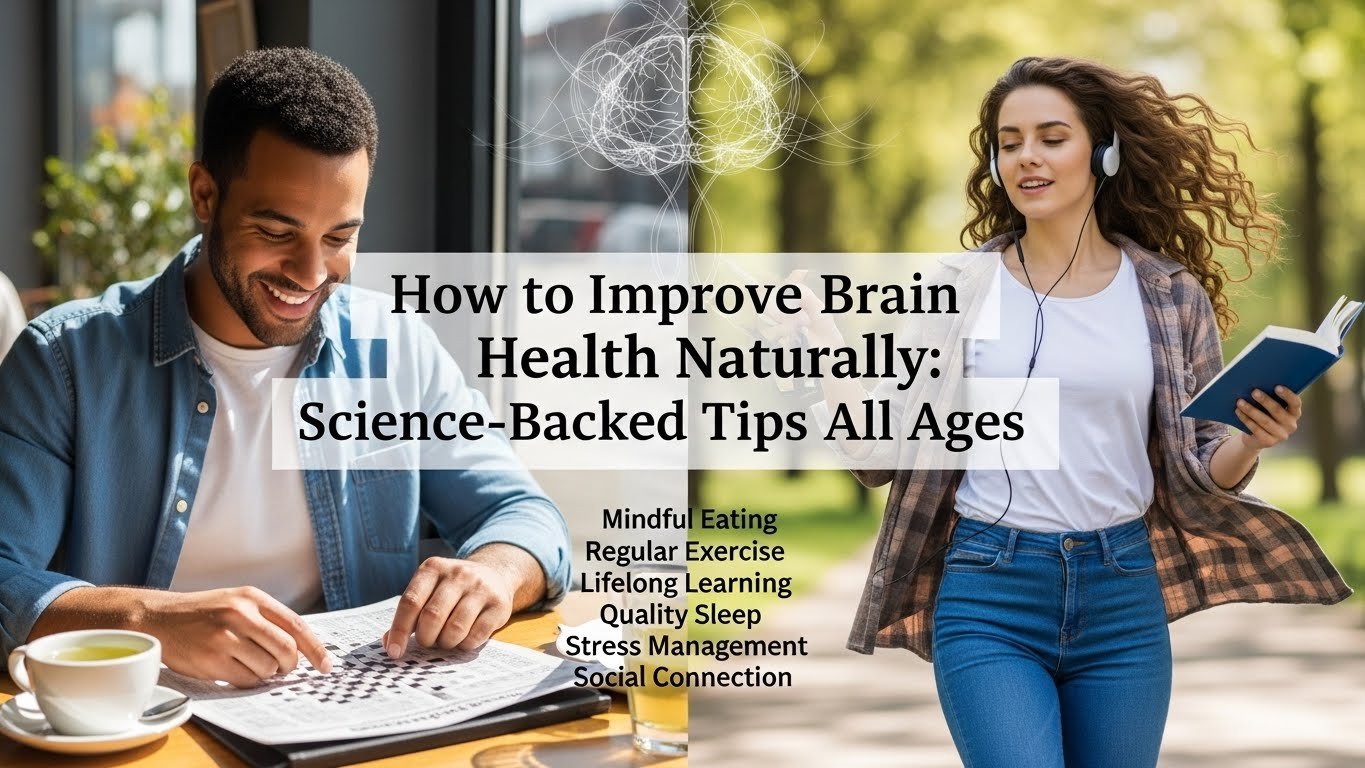
How to Improve Brain Health Naturally: Science-Backed Tips for All Ages
Introduction: Brain Health Is a Lifelong Practice
Brain health is not something we suddenly think about later in life. It quietly shapes how we think, remember, focus, and adapt—starting in childhood and continuing through older age. A healthy brain supports everyday decisions, emotional balance, creativity, and independence.
The good news is that brain health work does not require extreme routines or expensive tools. Research suggests that simple, evidence-based habits—movement, sleep, food choices, and mental engagement—can support brain function at any age. These habits help protect brain cells, strengthen brain connections, and may reduce the risk of cognitive decline over time.
This guide explains how to naturally improve brain health using practical, science-backed strategies that you can apply in real life, whether you are in your 20s, 40s, or beyond.

Brain Health: What It Really Means
Brain health refers to how well your brain works across several areas:
-Thinking and memory
-Learning and attention
-Mood and emotional balance
-Movement and coordination
-Everyday problem-solving
A brain-healthy lifestyle supports cognitive health while helping the brain adapt to the aging process. Brain aging is natural, but the rate and impact of cognitive decline can be influenced by daily choices.
Many health systems and organizations, including the Department of Health and Human Services, emphasize lifestyle-based approaches to protect brain health across the lifespan.
Support your brain—discover science-backed solutions >>>>> Click Here
How Age Affects the Brain
Age is one of the biggest risk factors for cognitive decline, but it does not affect everyone the same way. Some people remain mentally sharp into older adulthood, while others experience memory problems earlier.
Brain Aging Explained
As we age:
* Brain cells may communicate more slowly
* Blood flow to the brain can decrease
* Brain connections may weaken
These changes do not automatically lead to dementia or Alzheimer’s disease. In fact, many people living active, engaged lives maintain strong cognitive function well into later years.
Healthy habits play a key role in how the brain responds to aging.
Physical Activity: One of the Strongest Brain-Healthy Habits
Regular physical activity is one of the most evidence-based ways to support brain health. Movement improves blood flow to your brain, delivers oxygen and nutrients, and helps brain cells form new connections.
How Exercise Helps Improve Brain Function
Research suggests that physical activity:
* Supports memory and thinking
* Helps ward off depression and stress
* Improves balance and coordination
* Reduces the risk of cognitive decline and dementia
Aerobic activity, in particular, is linked to better cognitive function in both younger people and older adults.
How Much Physical Activity Is Enough?
Health systems like the Mayo Clinic Health System often recommend:
* **At least 150 minutes of moderate aerobic activity per week**, such as brisk walking
OR
* **75 minutes of vigorous activity**, such as jogging
You can break this into short sessions:
* 30 minutes, 5 days a week
* Even 10-minute walks count
Boost brain health naturally at any age >>>>> Click Here
Examples of brain-healthy movement:
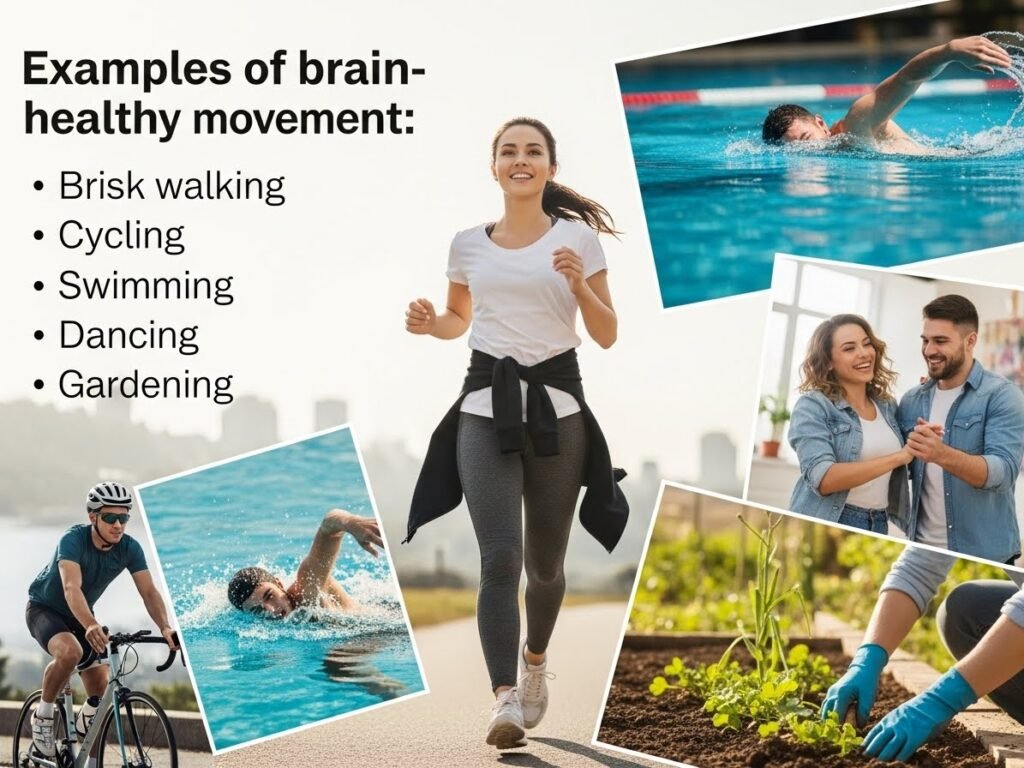
* Brisk walking
* Cycling
* Swimming
* Dancing
* Gardening
Regular physical activity also helps reduce the risk of health conditions that affect brain health, such as sleep apnea and impaired blood flow.
Cognitive Health: Keep Your Brain in Shape
Just like muscles, the brain benefits from regular use. Mental challenges help keep your brain healthy by strengthening brain connections and supporting cognitive function.
Brain-Healthy Mental Activities
* Crossword puzzles
* Reading books or articles
* Learning a new language
* Playing strategy games
* Practicing a musical instrument
These activities support memory and thinking and may help delay mild cognitive impairment.
Stay Curious at Any Age
Cognitive health improves when learning feels meaningful. For example:
* A retiree learning photography
* A busy parent listening to educational podcasts
* An older adult joining a discussion group
The goal is not perfection but engagement.
Nutrition: Fuel That Gives Your Brain What It Needs
What you eat affects how your brain works. Certain dietary patterns are linked to better cognitive health and a lower risk of developing Alzheimer’s disease.
Brain-Healthy Eating Patterns
Research supports plant-forward diets such as:
* Mediterranean-DASH Intervention for Neurodegenerative Delay (MIND diet)
These diets emphasize:
* Leafy greens
* Whole grains
* Berries
* Nuts and seeds
* Olive oil
* Fish
Foods to Limit
* Red meat (especially processed)
* Highly refined foods
* Excess added sugar
* Excess alcohol
Plant-based foods provide antioxidants that help protect brain cells from damage.
Sleep Helps the Brain Reset and Repair
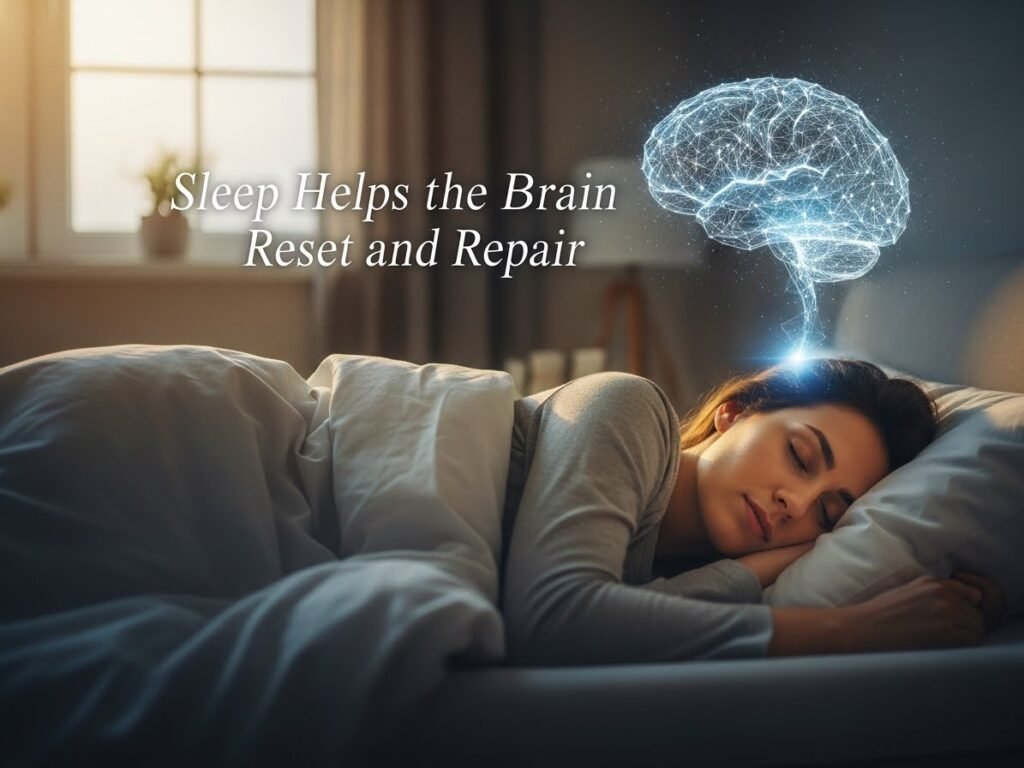
Sleep helps your brain clear waste, strengthen memories, and regulate emotions. Poor sleep is linked to impaired brain function and a higher risk of cognitive decline.
How Much Sleep Supports Brain Health?
Most adults need **7–9 hours of quality sleep per night**.
Sleep problems such as sleep apnea can reduce oxygen flow to the brain and affect memory and focus. Improving sleep quality is a powerful way to protect brain health naturally.
Simple Sleep-Support Tips
* Keep a regular sleep schedule
* Limit screens before bed
* Create a dark, quiet sleeping space
* Avoid heavy meals late at night
Stress, Mood, and Brain Health
Chronic stress, anxiety, or depression can affect memory and thinking. Long-term stress may shrink areas of the brain involved in learning and emotional regulation.
Ways to Reduce Stress for Brain Health
* Mindful breathing
* Gentle movement like yoga
* Spending time outdoors
* Social connection
* Limiting constant news exposure
These habits support both body and brain health.
Reducing the Risk of Cognitive Decline and Dementia
There is no guaranteed way to prevent dementia or Alzheimer’s disease, but lifestyle habits can reduce the risk of cognitive decline.
Evidence-Based Risk Reduction Habits
* Stay physically active
* Protect sleep quality
* Eat brain-healthy foods
* Keep your brain socially and mentally engaged
* Manage health conditions like high blood pressure
These steps support dementia risk reduction and overall brain resilience.
Upgrade your brain health routine today >>>>> Click Here
Brain Health at Different Life Stages
In Younger Adults
* Build strong habits early
* Learn new skills
* Stay physically active
In Midlife
* Manage stress and sleep
* Protect heart health
* Stay socially connected
In Older Adults
* Maintain movement
* Challenge memory and thinking
* Focus on balance and strength to reduce fall risk
Brain health matters at every age.
Practical Daily Tips to Improve Brain Health Naturally
* Walk after meals to increase blood flow to your brain
* Add leafy greens to one meal per day
* Read instead of scrolling before bed
* Learn one new thing each week
* Stay hydrated
Small actions add up.
* [Guide to stress management and brain health]
* [How sleep affects mental clarity]
* [Nutrition habits for long-term wellness]
Frequently Asked Questions (FAQ)
1. Can you really improve brain health naturally?
Yes. Evidence-based lifestyle habits like physical activity, sleep, and mental engagement support brain health at any age.
2. What is the best exercise for brain health?
Moderate aerobic activity, such as brisk walking, is strongly linked to better cognitive function.
3. Does brain aging always lead to dementia?
No. Brain aging is normal, but dementia is not inevitable.
4. Can diet reduce the risk of Alzheimer’s disease?
Research suggests that brain-healthy diets may lower the risk of cognitive decline.
5. How does sleep affect memory?
Sleep helps consolidate memories and clear waste from the brain.
6. Do puzzles really help the brain?
Yes. Cognitive challenges support brain connections and memory.
7. Is it ever too late to improve brain health?
No. Healthy habits benefit the brain at every stage of life.
Conclusion: Protecting Your Brain Is a Daily Choice
Improving brain health naturally does not require perfection. It requires consistency. Each walk, nourishing meal, good night’s sleep, and moment of curiosity helps keep your brain healthy and adaptable.
By staying active, choosing brain-healthy habits, and caring for both body and mind, you give your brain what it needs to support memory, focus, and quality of life—today and for years to come.
Disclaimer:
*This content is for educational purposes only and is not medical advice.*