
Prostate Health: A Practical Lifestyle Guide for Men’s Well-Being


Introduction: Why Prostate Health Matters More Than You Think
Prostate health is rarely a daily topic of conversation, yet it plays a major role in men’s health and overall well-being. Many men only start thinking about the prostate when symptoms appear or when a routine screening raises questions.
The truth is, understanding prostate health early allows you to make better lifestyle choices long before problems develop.
The prostate is small—about the size of a walnut—but its impact on quality of life can be significant. From urinary comfort to long-term health, caring for your prostate is essential for maintaining overall well-being.
This guide offers clear, practical information to help you understand prostate health, common prostate problems, and lifestyle habits that support a healthy prostate without medical jargon or fear-based messaging.
Prostate Health and Understanding the Prostate
Understanding prostate health starts with knowing what the prostate is and how it functions. The prostate is a small gland located below the bladder and in front of the rectum. Its main role is to support prostate function related to male reproductive health.
As men age, the prostate grows naturally. This growth is common and does not always indicate a prostate problem. However, changes in size or inflammation of the prostate gland can sometimes lead to symptoms that affect daily comfort.
Understanding Prostate Health Across Life Stages

The Prostate at Different Ages
-
Men of all ages: The prostate begins small and develops during puberty
-
Men age 40+: Prostate grows gradually
-
Older men: Common prostate problems become more frequent
Half of all men experience some form of prostate issues as they age. This makes awareness and prevention essential parts of men’s health.
Common Prostate Problems Men Should Know
Common Prostate Problems Explained Simply
Understanding common prostate problems helps reduce anxiety and encourages informed decisions.
Benign Prostatic Hyperplasia (BPH)
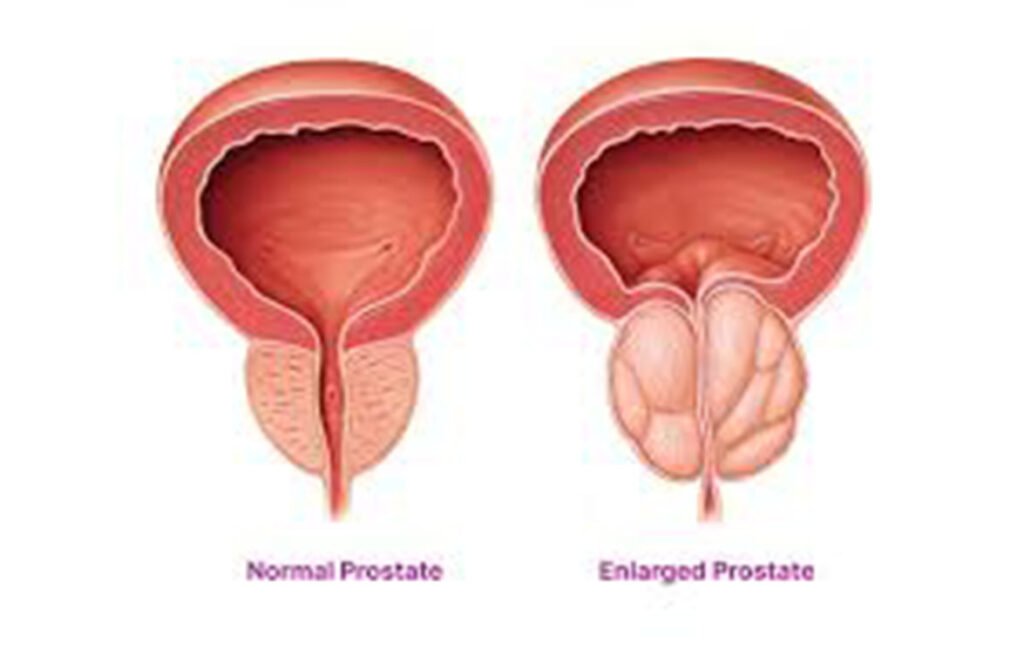
Benign prostatic hyperplasia, often called an enlarged prostate, is common in older men. It is not prostate cancer, but it can affect urinary comfort.
Men with an enlarged prostate may notice:
-
Frequent urination
-
Weak urine flow
-
Difficulty starting or stopping
BPH and prostate cancer are different conditions, though they can share similar symptoms.
Prostatitis
Prostatitis refers to inflammation of the prostate. Inflammation of the prostate gland can cause discomfort and affect daily routines.
Prostatitis symptoms may include:
-
Pelvic discomfort
-
Urinary changes
-
General discomfort
Prostatitis can occur at different ages and is one of the more common prostate conditions.
Prostate Cancer Awareness (Not Diagnosis)
Prostate cancer is one of the most discussed prostate conditions. Prostate cancers grow slowly in many cases and may remain confined to the prostate for years.
Facts for awareness:
-
About 1 in 8 men may be diagnosed with prostate cancer
-
The risk of prostate cancer increases with age
-
Family history can increase your risk
Understanding prostate cancer risk is about awareness, not fear.
Explore our recommended wellness products and lifestyle tools designed to help maintain a healthy prostate and overall men’s health >>>>> click Here
Prostate Health, Screening, and Awareness
Screening plays a role in understanding prostate health, especially for men at average risk of prostate cancer or higher.
Prostate Tests You May Hear About
-
Blood test: Measures prostate-specific antigen (PSA), a protein produced by the prostate
-
Digital rectal exam: A routine physical check
-
Prostate biopsy: Used only when further investigation is needed
Screening for prostate cancer is a personal decision often discussed with primary care providers.
Who May Consider Screening?
-
Older men
-
American men are at a higher risk
-
Men who have a father or brother diagnosed with prostate cancer
Screen for prostate cancer discussions often focus on balancing awareness with overall health.
Symptoms of Prostate Problems to Be Aware Of
Symptoms of Prostate Problems
Prostate symptoms vary depending on the condition. Being aware helps you check for prostate changes early.
Common prostate symptoms include:
-
Changes in urine flow
-
Increased nighttime urination
-
Pelvic discomfort
-
Feeling of incomplete bladder emptying
These symptoms do not automatically mean prostate cancer, but they signal that prostate health deserves attention.
Maintaining Prostate Health Naturally
Maintaining Prostate Health Through Lifestyle
Maintaining prostate health is strongly connected to daily habits. These habits support overall prostate and whole-body health.
Eat a Healthy Diet
A healthy diet supports a healthier prostate and overall health.
Focus on:
-
Vegetables and fruits
-
Whole grains
-
Healthy fats
-
Balanced protein intake
Eating a healthy diet helps maintain a healthy weight, which may reduce the risk of prostate problems.
Maintain a Healthy Weight
Excess weight can increase your risk of prostate conditions. Maintaining a healthy weight supports hormone balance and prostate function.
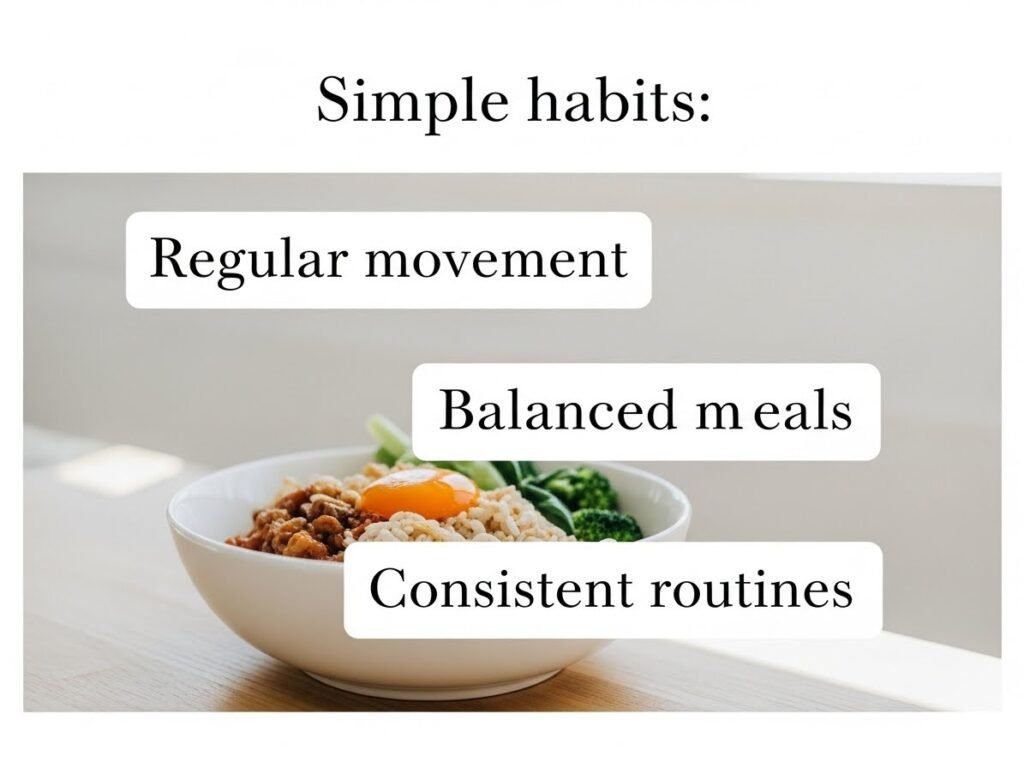
Simple habits:
-
Regular movement
-
Balanced meals
-
Consistent routines
Stay Physically Active
Movement supports circulation, inflammation balance, and overall prostate health.
Examples:
-
Daily walking
-
Light strength training
-
Stretching routines
These habits support health and well-being beyond prostate care.
Discover simple, prostate-friendly supplements and nutrition solutions trusted by men focused on long-term well-being.>>>>> Click Here
Prostate Health and Men’s Lifestyle Choices
Reduce Lifestyle Risks
Some lifestyle choices may increase the risk of developing prostate cancer or prostate issues.
Consider limiting:
-
Highly processed foods
-
Excessive alcohol
-
Long periods of inactivity
Small changes over time help keep your prostate healthy.
Stress and Prostate Health
Chronic stress affects overall health, including prostate health. Stress management supports immune balance and inflammation control.
Helpful practices:
-
Deep breathing
-
Outdoor time
-
Consistent sleep schedules
Prostate Cancer Risk Factors (Awareness Only)
Understanding Prostate Cancer Risk
Understanding risk does not mean assuming a diagnosis.
Risk factors include:
-
Older age
-
Family history
-
Certain lifestyle patterns
The exact cause of prostate cancer is unknown, but awareness helps men make informed choices.
Keeping Your Prostate Healthy Long-Term

Practical Tips for a Healthy Prostate
-
Stay informed about prostate health
-
Maintain regular check-ups with primary care
-
Follow a balanced lifestyle
-
Listen to your body’s signals
The prostate naturally grows with age, but maintaining healthy habits helps manage discomfort and maintain function.
Bullet-Point Summary: Prostate Health Essentials
-
The prostate is a small gland with great importance
-
An enlarged prostate is common in older men
-
Prostatitis involves inflammation of the prostate
-
Prostate cancer awareness supports early understanding
-
A healthy diet and weight support prostate health
Start protecting your future health today: Check out our curated prostate health resources and products that support comfort, balance, and healthy aging.>>>>> Click Here
FAQ: Common Questions About Prostate Health
1. What is prostate health?
Prostate health refers to the normal function and comfort of the prostate gland throughout life.
2. Is an enlarged prostate the same as prostate cancer?
No. Benign prostatic hyperplasia is not cancer, though symptoms may overlap.
3. At what age should men think about prostate health?
Men of all ages benefit from awareness, with increased focus after age 40.
4. Can lifestyle changes help prostate health?
Yes. Diet, activity, weight management, and stress reduction support prostate health.
5. What are the early signs of prostate problems?
Changes in urination, discomfort, or pressure may be early signs.
6. Does family history matter?
Yes. Men who have a father or brother diagnosed with prostate cancer may have an increased risk.
Conclusion: Prostate Health Is Part of Living Well
Prostate health is not about fear or waiting for problems to appear. It is about understanding your body, making informed lifestyle choices, and supporting long-term health and comfort. By focusing on nutrition, movement, awareness, and balance, you take an active role in maintaining prostate health and overall well-being.
Small steps today can support a healthier prostate for years to come.
Disclaimer:
This content is for educational purposes only and is not medical advice.