
How Much Exercise: Physical Activity Do I Need?


How Much Exercise: Physical Activity Do I Need?
Understanding how much exercise truly supports a healthy, active life

If you’ve ever wondered **how much exercise or physical activity you really need**, you’re not alone. Some days it feels like you should be doing intense workouts every morning. Other days, even a short walk feels like a win. The truth sits somewhere in between—and it’s far more flexible than most people think.
Exercise doesn’t have to be extreme to be effective. What matters most is **how often you move, how long you move, and how that movement fits into your life**. This guide breaks down physical activity guidelines in a practical, human way—so you can build habits that support better health, energy, and longevity without burnout.
Exercise and Physical Activity: What’s the Difference?

Before talking about how much exercise you need, it helps to understand the terms.
**Physical activity** includes any movement that uses energy.
**Exercise** is planned, structured physical activity done to improve fitness.
Examples of physical activity:
* Walking to the store
* Cleaning your home
* Gardening
* Taking the stairs
Examples of exercise:
* Brisk walking
* Cycling
* Strength training
* Aerobic workouts
Both matter. A healthy lifestyle includes **exercise and everyday physical activity**, not just gym sessions.
Restore natural energy levels >>>>>Click Here
How Much Exercise Do You Need to Stay Healthy?
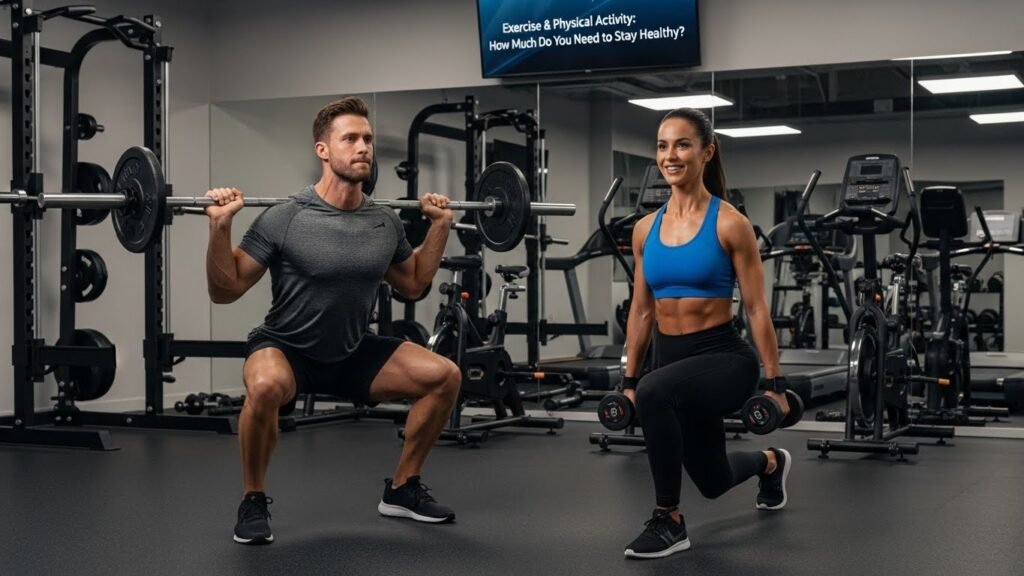
Physical activity guidelines explained simply
Most physical activity guidelines agree on a clear baseline:
* **At least 150 minutes of moderate aerobic activity per week**
OR
* **75 minutes of vigorous activity per week**
This can also be a mix of both.
That’s about:
* 30 minutes a day, 5 days a week
* Or shorter sessions spread throughout the week
You don’t need to do it all at once. Short bouts of activity count.
Moderate vs Vigorous Activity: What Counts?

Moderate aerobic activity
Moderate activity gets your heart rate up but still allows conversation.
Examples:
* Brisk walking
* Light cycling
* Dancing
* Gardening
* Easy hiking
This level supports cardiovascular health and is ideal for most people.
Vigorous activity
Vigorous activities raise your heart rate faster and make talking harder.
Examples:
* Running
* Fast cycling
* Swimming laps
* High-energy sports
Just **75 minutes of vigorous activity per week** can meet basic exercise recommendations.
Fight fatigue at the cellular level— explore evidence-based solutions >>>>>Click Here
How Many Steps a Day Do You Really Need?

Steps a day are an easy way to track movement.
* 5,000 steps: low activity
* 7,000–8,000 steps: healthier range
* 10,000 steps: active lifestyle
You don’t need a perfect number. What matters is **moving more than you did before**.
If you sit for long hours, adding even 2,000 more steps a day can make a difference.
Exercise, Energy, and Living Longer
Regular physical activity is strongly linked to:
* Better cardiovascular health
* Improved energy levels
* Stronger muscles and bones
* Lower risk of heart disease
* Improved mood and focus
People who move regularly tend to **live longer and feel better doing it**. The benefits add up over time, especially when movement becomes a daily habit.
How Much Exercise Is Needed Based on Your Age?

Healthy adults
Most adults benefit from:
* 150 to 300 minutes of moderate aerobic activity per week
* Muscle-strengthening activities 2–3 days a week
Older adults
Older adults benefit from:
* Regular physical activity every day
* Balance and flexibility exercises
* Strength work for major muscle groups
The goal is staying mobile, confident, and independent.
Sitting Too Much: Why “Sit Less” Matters
You can meet exercise guidelines and still sit too much.
Long hours of sitting are linked to:
* Low energy
* Stiffness
* Poor circulation
Simple ways to sit less:
* Stand up every 30–60 minutes
* Walk during phone calls
* Stretch between tasks
**Move more and sit less** is just as important as workouts.
Weekly Activity Recommendations Made Practical
Here’s what a balanced week might look like:
* 30 minutes of brisk walking, 5 days a week
* Strength training, 2–3 days a week
* Light activity daily (walking, chores, stretching)
This approach supports overall health without overwhelm.
How Exercise Supports Heart and Metabolic Health

Aerobic exercise strengthens the heart and improves circulation.
Regular movement supports:
* Cardiovascular health
* Healthy blood pressure
* Better oxygen use
You don’t need extreme intensity. Consistency matters more than perfection.
Physical Activity and Weight Support
Exercise helps with weight management by:
* Increasing energy use
* Supporting muscle mass
* Improving metabolism
However, physical activity works best alongside:
* Balanced eating
* Enough sleep
* Stress management
It’s about **overall lifestyle**, not just calories burned.
Support long-lasting energy without stimulants >>>>> Click Here
Light Activity Still Counts
Not all movement needs to be intense.
Light activity includes:
* Slow walking
* Stretching
* Household tasks
These activities support circulation, reduce stiffness, and keep your body moving throughout the day.
Bullet Points: Simple Ways to Add More Movement

* Take a brisk walk after meals
* Use stairs instead of elevators
* Park farther from entrances
* Stretch while watching TV
* Do short bouts of activity throughout the day
Small changes create lasting habits.
Actionable Tips to Stay Active Without the Gym
* Choose activities you enjoy
* Break movement into 10-minute sessions
* Schedule an activity like an appointment
* Track steps instead of workouts
* Focus on progress, not perfection
Consistency beats intensity every time.
Related article:
[Simple Habits for Better Energy]
Frequently Asked Questions
How much exercise do I need each week?
At least 150 minutes of moderate aerobic activity or 75 minutes of vigorous activity.
Do short workouts count?
Yes. Short bouts of activity throughout the day still count.
Is walking enough exercise?
Brisk walking is a powerful form of moderate aerobic activity.
How many steps a Day should I aim for?
Between 7,000 and 10,000 steps supports better health.
What if I don’t have time to exercise?
Focus on moving more and sitting less throughout the day.
Is exercising every day necessary?
Daily movement is helpful, but rest days are important too.
Can light activity improve health?
Yes. Light activity supports circulation and overall energy.
Final Thoughts: Move More, Live Better
So, **how much exercise or physical activity do you need?** Enough to move your body regularly, raise your heart rate sometimes, and support the life you want to live.
You don’t need perfection. You need consistency, flexibility, and movement that fits your routine. Start where you are, add more movement over time, and remember—every step counts.
Your body is built to move. Honor it by moving often, moving gently, and moving with purpose.
Disclaimer:
*This content is for educational purposes only and is not medical advice.*
One thought on “How Much Exercise: Physical Activity Do I Need?”