
Constipation: Practical Lifestyle Guidance for Better Digestive Comfort

Introduction: When Digestion Slows Down
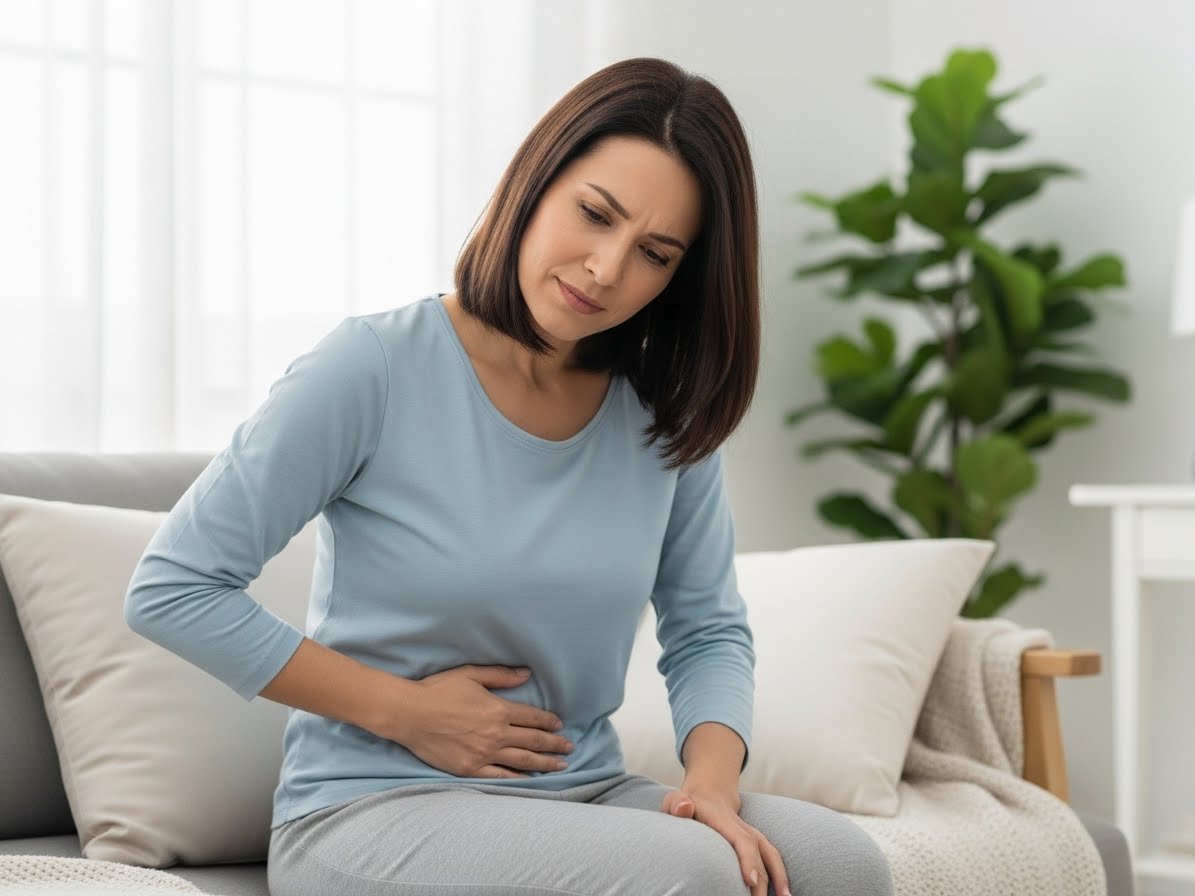
Constipation is one of the most common digestive complaints, yet it is often misunderstood or ignored. Many people experience it occasionally after travel, stress, or changes in routine. For others, constipation becomes a recurring issue that affects comfort, mood, and daily life.
Understanding constipation is the first step toward managing it gently and effectively. This article explores constipation from a lifestyle and body-mind wellness perspective—focusing on awareness, habits, and practical guidance rather than medical diagnosis. With simple adjustments, many people can improve bowel comfort and feel more at ease in their digestive system.

Constipation and Defecation Problems Explained
Constipation usually means having fewer bowel movements than normal or difficulty passing stool. Stool may become hard, dry, or difficult to pass, leading to discomfort or abdominal pain.
Constipation and defecation problems can affect the colon, rectum, and anus. When stool moves too slowly through the large intestine, excess water is absorbed, making the stool harder.
Constipation is common and can affect people of all ages.
Understanding How Digestion Works
Food travels through the digestive tract, where nutrients are absorbed. Waste then moves through the colon and into the rectum before leaving the body through a bowel movement.
Healthy digestion depends on:
* Regular movement of the intestine
* Adequate hydration
* Fiber-rich foods
* Coordinated pelvic floor and anorectal muscles
When one part slows down, constipation occurs.
Support your digestive comfort naturally: Explore our recommended fiber supplements and gut-friendly products designed to help maintain regular bowel movement>>>>> Click Here
Constipation — Common Causes
Cause of Constipation in Daily Life
Constipation often has more than one cause. Lifestyle habits play a major role.
Common causes include:
* Low fiber intake
* Not drinking enough water
* Lack of physical movement
* Ignoring the urge to pass stool
* Sudden routine changes
Constipation may also be linked to stress or changes in digestion.
Medication and Constipation
Some medicines can cause constipation as a side effect. Medications that can cause constipation may slow bowel movement or dry out stool.
Always read labels and be mindful of changes after starting new medicine.
Digestive Conditions That Contribute to Constipation
Certain digestive conditions may contribute to constipation, such as:
* Irritable bowel syndrome with constipation
* Slow transit constipation
* Pelvic floor coordination issues
Chronic idiopathic constipation refers to long-term constipation without a clear cause.
Symptoms of Constipation
Symptoms of Constipation
Symptoms can vary depending on severity and duration.
Constipation symptoms include:
* Infrequent bowel movements
* Hard or lumpy stool
* Difficult to pass stool
* Feeling of incomplete emptying
* Abdominal pain or bloating
Constipation may also cause discomfort in the rectal area.
Chronic Constipation vs Occasional Constipation
Occasional Constipation
Occasional constipation is common and often related to diet, travel, or stress. It usually improves with simple changes.
Chronic Constipation
Chronic constipation lasts for weeks or longer. People with chronic constipation may experience symptoms regularly and feel that constipation does not respond easily to changes.
Long-term constipation may require more consistent management strategies.
Constipation in Children
Improve your daily digestion routine: Discover carefully selected wellness products that support stool softness, hydration, and overall digestive balance >>>>>Click Here
Constipation in Children
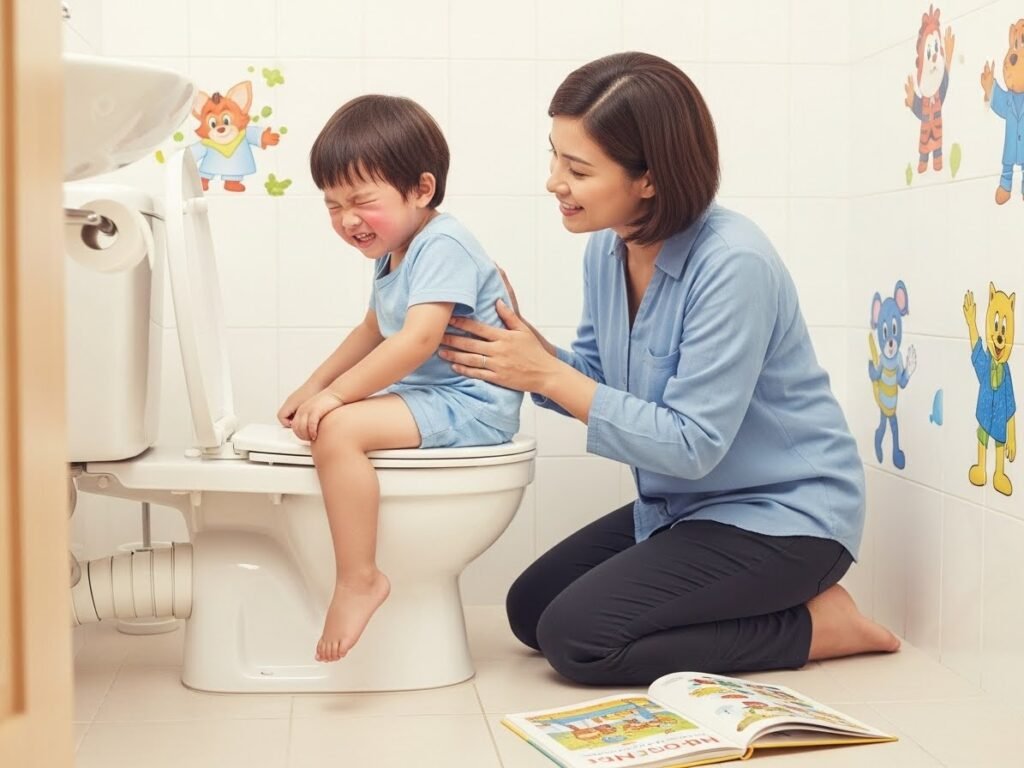
Constipation in children is common and often related to diet, toilet habits, or stress.
Common signs include:
* Avoiding bowel movements
* Large or painful stool
* Abdominal discomfort
Gentle routines, hydration, and fiber-rich foods can help manage constipation in children.
Possible Complications of Constipation
Complications of Constipation
When constipation continues without relief, it may lead to complications.
Possible complications of constipation include:
* Rectal discomfort
* Hemorrhoids
* Rectal prolapse
* Worsening abdominal pain
Severe constipation can affect quality of life and emotional well-being.
Treatment for Constipation (Lifestyle-Based)
Treat Constipation Naturally
Treatment for constipation often starts with lifestyle changes.
Helpful habits include:
* Drinking enough water daily
* Eating more fiber
* Staying physically active
* Creating regular bathroom routines
These steps help the stool move more easily through the intestine.
Fiber and Stool Health
Fiber adds bulk to stool and makes it easier to pass.
Fiber-rich foods include:
* Vegetables
* Fruits
* Whole grains
* Legumes
Increase fiber gradually to avoid bloating.
Hydration and Digestion
Water helps soften stool. Without enough fluids, stool becomes dry and harder to pass.
A simple goal is to drink water consistently throughout the day.
Laxatives and Enemas: Awareness Only
Take a gentle step toward relief: Check out our trusted digestive wellness solutions chosen for people looking to manage constipation naturally through lifestyle support >>>>> Click Here
Laxative Use
A laxative may help relieve constipation temporarily. Types include stimulant laxatives and stool softeners.
Overuse of laxatives may worsen constipation over time, so lifestyle support is usually preferred.
Enema Use
An enema is sometimes used for severe constipation. It should not be a regular solution and is best used with awareness and guidance.
Prevent Constipation with Daily Habits
Prevent Constipation Naturally
Prevention is often easier than treatment.
Tips to prevent constipation:
* Respond to bowel urges promptly
* Eat meals at regular times
* Move your body daily
* Manage stress
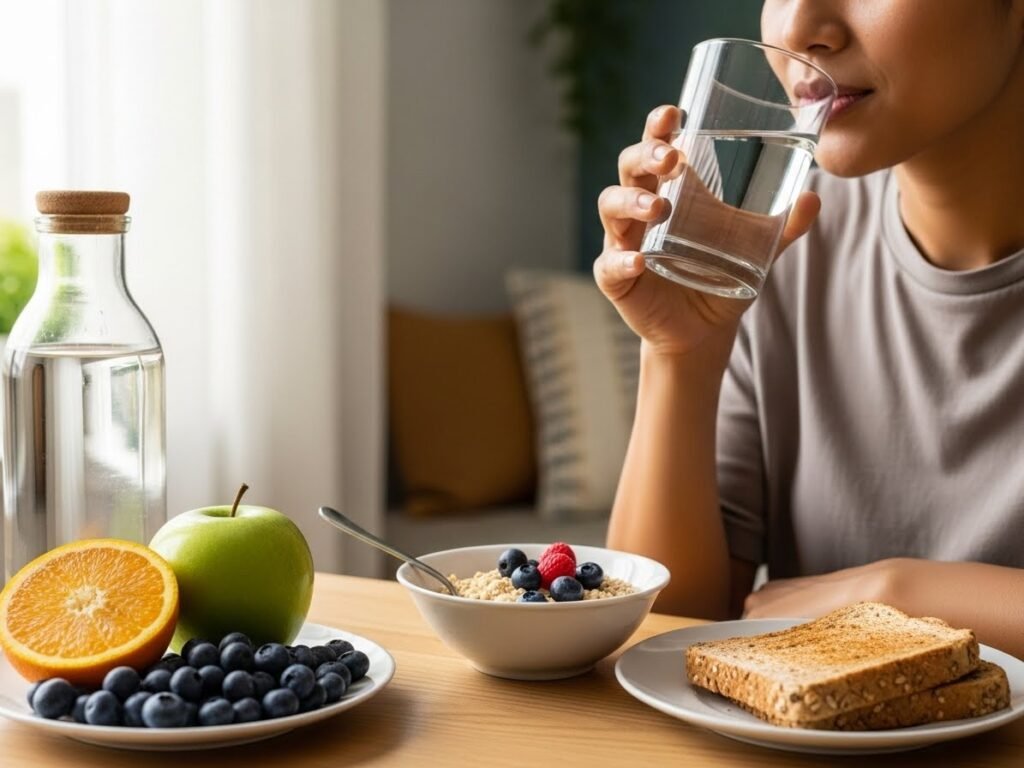

These habits support regular bowel movement and digestive comfort.
Constipation During Pregnancy
Constipation during pregnancy is common due to hormonal changes and pressure on the intestines.
Gentle movement, hydration, and fiber-rich foods often help relieve constipation during this time.
Managing Constipation Long-Term
Manage Constipation for Better Comfort
Managing constipation means listening to your body and adjusting habits over time.
Helpful strategies include:
* Keeping a bowel routine
* Tracking foods that trigger symptoms
* Practicing relaxation techniques
* Supporting pelvic floor awareness
Consistency matters more than quick fixes.
When Constipation Needs Attention
Diagnosis of constipation may be discussed when symptoms are severe or persistent. Tests like colonoscopy or anorectal manometry are used only in specific situations.
Awareness helps you decide when lifestyle changes are enough and when professional guidance may be helpful.
Bullet-Point Summary: Constipation Essentials
* Constipation is a common digestive problem
* Stool becomes hard when it moves slowly
* Diet, water, and movement matter
* Chronic constipation needs consistent care
* Prevention focuses on daily habits
FAQ: Common Questions About Constipation
1. What is constipation?
Constipation means infrequent bowel movements or difficulty passing stool.
2. What causes constipation most often?
Low fiber, dehydration, inactivity, and routine changes are common causes.
3. Is constipation common?
Yes, constipation is a common digestive issue affecting many people.
4. Can stress cause constipation?
Stress can affect digestion and slow bowel movement.
5. Is chronic constipation serious?
Chronic constipation may affect comfort and quality of life if unmanaged.
6. How can I prevent constipation naturally?
Eat fiber-rich foods, drink water, move daily, and keep regular habits.
7. Does constipation affect children?
Yes, constipation in children is common and often related to diet or routines.
Conclusion: Gentle Steps Toward Digestive Ease
Constipation is a problem many people face, but it does not have to define daily life. By understanding digestion, recognizing symptoms, and supporting your body with simple habits, you can improve bowel comfort naturally.
Small, consistent lifestyle changes—hydration, fiber, movement, and awareness—often make the biggest difference. Supporting your digestive health is an act of self-care that benefits your whole body.
Disclaimer:
*This content is for educational purposes only and is not medical advice.*