
Breathe Easier: Simple Breathing Exercises & Ways to Improve Lung Health


Breathe Easier: Simple Breathing Exercises & Ways to Improve Lung Health
Introduction
Breathing is something we do thousands of times a day—yet most of us rarely think about *how* we breathe. In modern life, stress, poor posture, and constant screen time often lead to shallow breathing that can leave us feeling tired, tense, or short of breath.
Learning how to breathe more intentionally is one of the simplest ways to support lung health, calm the nervous system, and improve daily well-being. This guide explores easy breathing exercises, natural breathing techniques, and lifestyle habits that help you breathe easier and live a healthier life—at any age.
Understanding the Basics of Breathing
What Does It Mean to Breathe Well?
Breathing well means using your lungs efficiently and engaging the diaphragm instead of relying only on the upper chest. Healthy breathing supports oxygen flow, removes carbon dioxide, and helps regulate stress levels.
Why Lung Health Matters
Your lungs work closely with your heart, brain, and nervous system. When breathing becomes shallow or rushed, your body may stay in a constant state of tension. Supporting lung health helps improve focus, relaxation, and overall health.
Give your lungs daily support—explore this trusted wellness option >>>>> Click Here
Breathing Patterns and the Nervous System
How Breathing Affects Stress

Your breathing pattern directly influences your nervous system. Slow, deep breathing activates the relaxation response and supports the parasympathetic nervous system, helping reduce anxiety and mental overload.
Chest Breathing vs. Abdominal Breathing
Chest breathing: Shallow, fast, stress-related
Abdominal breathing: Deep, calming, efficient
Learning to shift toward abdominal or belly breathing can make a noticeable difference in how you feel throughout the day.
Deep Breathing for Lung Health

Diaphragmatic Breathing Explained
Diaphragmatic breathing—also called belly breathing—uses the diaphragm to draw air deep into the lungs. This supports lung capacity and encourages a steady breathing rhythm.
How to practice:
* Sit or lie comfortably
* Place one hand on your chest and one on your belly
* Inhale through your nose, letting your belly rise
* Exhale slowly through your mouth
Practice for 5–10 minutes daily.
Breathe better naturally with a science-inspired supplement >>>>> Click Here
Simple Breathing Exercises You Can Do Anywhere
1. Belly Breathing
This foundational breathing exercise helps improve breathing patterns and reduce stress.
Best for: Relaxation, stress relief, beginners
2. Pursed-Lip Breathing
This technique helps slow breathing and supports better airflow.
How it works:
* Inhale through your nose
* Exhale slowly through pursed lips
Best for: Shortness of breath, calming the body
3. Box Breathing (Square Breathing)
Used by athletes and professionals to improve focus and emotional control.
Steps:
* Inhale for 4 seconds
* Hold for 4
* Exhale for 4
* Hold for 4
Repeat for a few minutes.
4. Nasal Breathing
Breathing through the nose helps filter air and regulate breathing rate.
Tip: Keep your mouth closed during rest and light activity when possible.
5. Alternate Nostril Breathing
A mindfulness-based breathing practice is often used in yoga.
Benefits: Balance, focus, relaxation
How Breathing Exercises Improve Lung Health
Regular breathing exercises may help:
* Improve breathing efficiency
* Support lung function
* Reduce stress levels
* Encourage better oxygen exchange
* Promote a healthier life
Even a few minutes a day can support noticeable improvements.
Breathing and Mindfulness
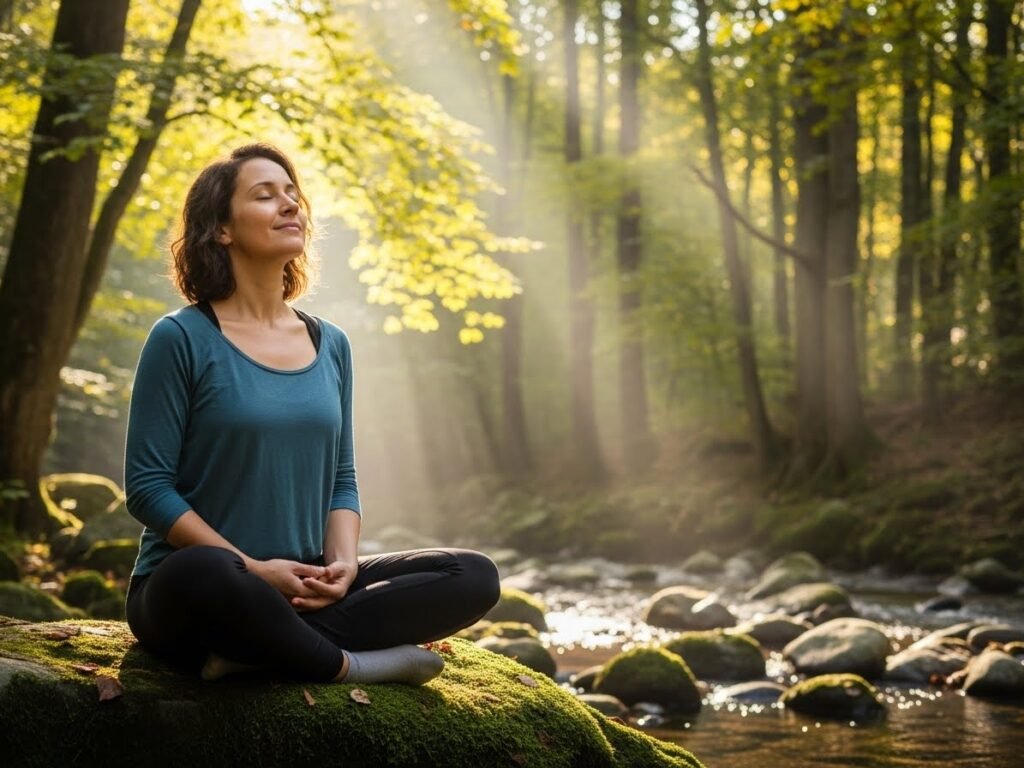
Mindful breathing helps you become aware of your breath without trying to control it. This practice can improve emotional regulation and reduce mental fatigue.
Simple practice:
* Sit quietly
* Notice each inhale and exhale
* Gently return focus if your mind wanders
Upgrade your breathing routine with gentle lung-health support >>>>> Click Here
Lifestyle Habits That Support Healthy Lungs
Stay Physically Active
Movement encourages deeper breathing and supports lung capacity. Walking, stretching, and gentle aerobic activity are great options.
Improve Posture
Slouching compresses the lungs. Sitting upright helps the diaphragm move freely.
Reduce Exposure to Irritants
Smoke, pollution, and strong chemicals can irritate the respiratory system.
Practice Stress Management
Chronic stress affects breathing patterns. Breathing exercises work best when combined with relaxation habits like yoga or gentle movement.
Daily Breathing Routine Example
Morning (5 minutes):
* Belly breathing
* Nasal breathing
Midday (2 minutes):
* Box breathing during stress
Evening (5 minutes):
* Pursed-lip breathing
* Mindful breathing before sleep
[Stress Management Techniques]
[Sleep and Relaxation Habits]
Frequently Asked Questions
1. How often should I practice breathing exercises?
Daily practice—even 5 minutes—can be helpful.
2. Can breathing exercises reduce stress?
Yes, slow breathing helps activate relaxation responses.
3. Is belly breathing better than chest breathing?
Belly breathing supports more efficient airflow and relaxation.
4. Can breathing exercises improve lung health naturally?
They support healthy breathing patterns and overall well-being.
5. When is the best time to practice breathing exercises?
Morning, during stress, or before sleep are ideal times.
6. Can breathing help with focus and mental clarity?
Yes, controlled breathing can help calm the mind and improve focus.
Conclusion: Breathe Easier, Live Better
Breathing is one of the most powerful tools you have for improving lung health, reducing stress, and supporting overall well-being. Simple breathing exercises, practiced consistently, can help you feel calmer, more energized, and more connected to your body.
Start small. Stay consistent. Your breath is always with you—use it to support a healthier life.
Disclaimer
*This content is for educational purposes only and is not medical advice.*