
How Stress Affects Male Performance and Energy: Natural Ways to Restore Focus, Stamina, and Balance

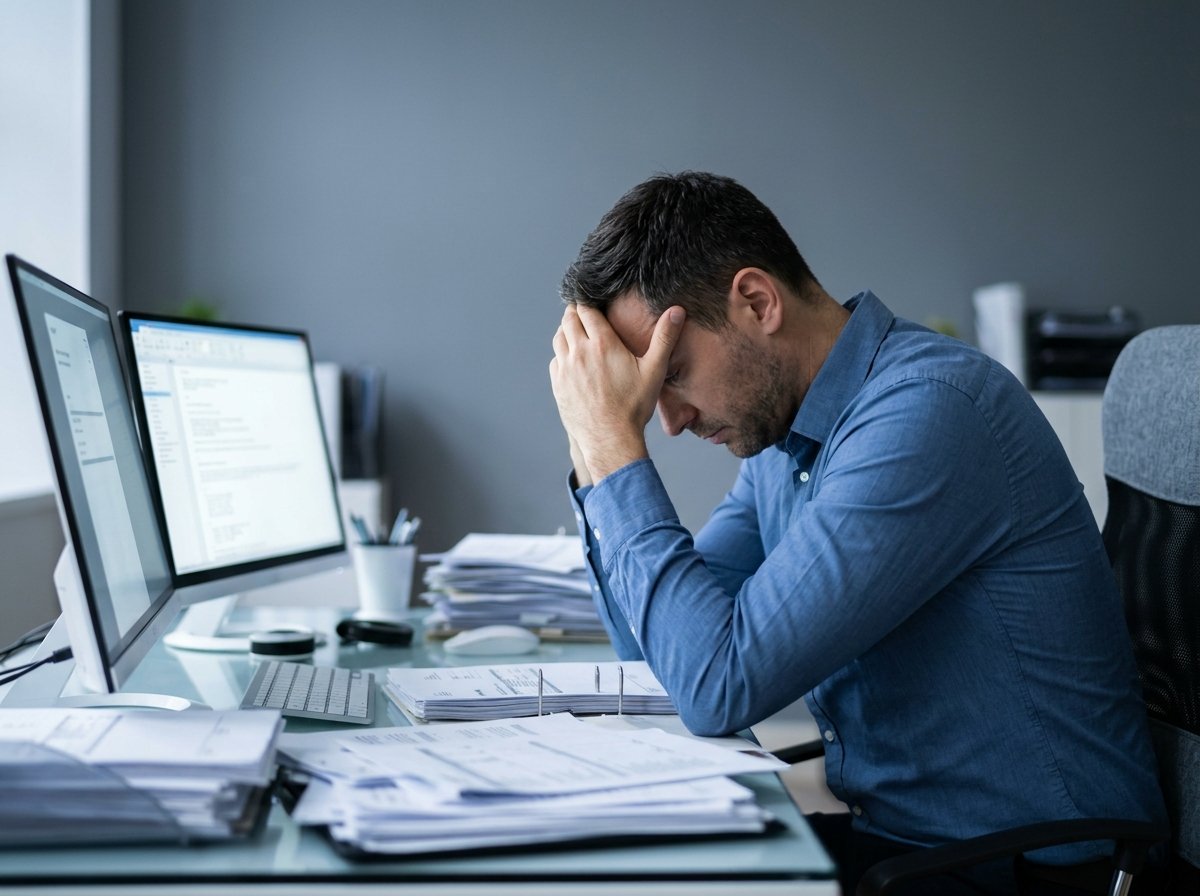
How Stress Affects Male Performance and Energy
Modern life demands constant attention, productivity, and mental focus. Many men juggle work responsibilities, financial pressure, family commitments, digital overload, and personal goals all at once. Over time, this nonstop pressure can quietly affect both mental and physical energy.
Stress is often discussed as an emotional issue, but it can also influence daily performance, motivation, focus, recovery, and overall wellness. Many men notice they feel mentally exhausted even after resting. Others struggle with low motivation, reduced stamina, poor concentration, or difficulty maintaining healthy routines.
The connection between stress and energy is stronger than most people realize.
Long periods of stress may affect sleep quality, recovery habits, mood balance, exercise consistency, and daily productivity. When stress becomes constant, the body and mind often stay in a prolonged “alert mode,” making true recovery more difficult.
The good news is that small lifestyle adjustments may help restore balance naturally. Better sleep, movement, stress management, recovery habits, and healthier routines can often improve focus and daily vitality over time.
This guide explores how stress affects male performance and energy while sharing practical strategies for supporting long-term wellness naturally.
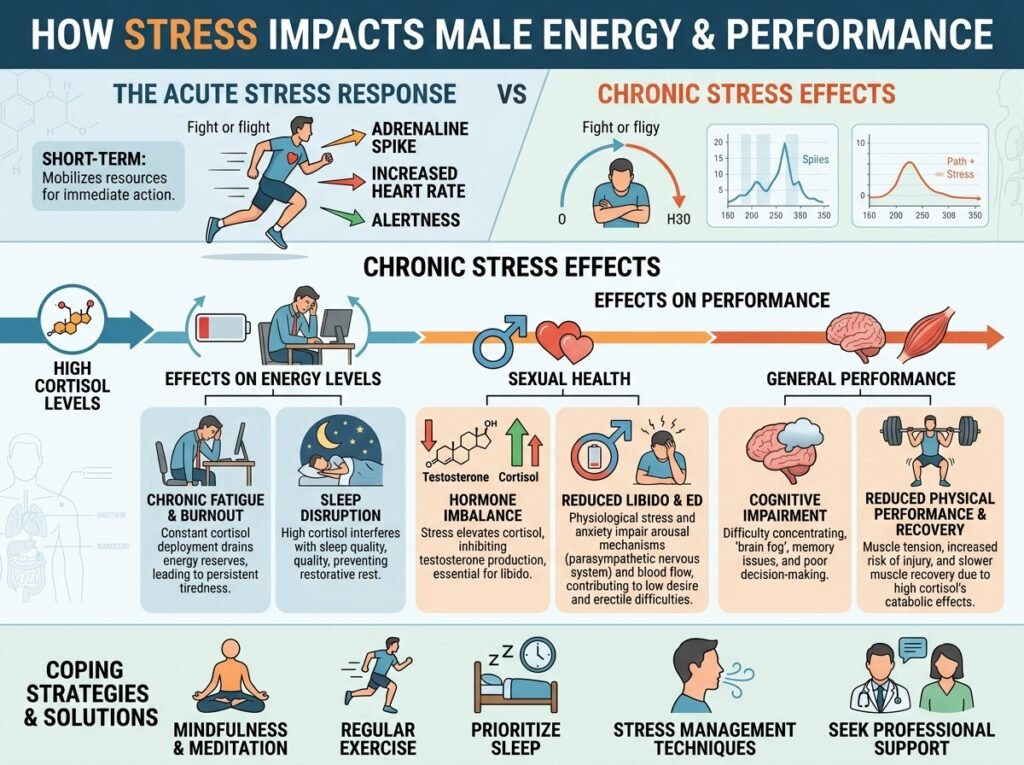
Why Stress Impacts Male Performance More Than Expected
Stress influences both mental and physical performance.
While short-term stress may temporarily increase alertness, chronic stress often creates the opposite effect over time.
Many men experience stress through:
* Long work hours
* Financial concerns
* Family responsibilities
* Lack of downtime
* Digital overload
* Poor sleep habits
* Constant multitasking
When recovery is limited, stress may gradually reduce overall resilience.
Common signs include:
* Mental fatigue
* Reduced motivation
* Difficulty concentrating
* Poor sleep quality
* Mood changes
* Afternoon energy crashes
* Reduced exercise consistency
Stress often builds slowly, making these changes easy to ignore at first.
How Stress Affects Male Performance and Energy Daily
The effects of stress are not always obvious immediately.
In many cases, stress quietly influences daily habits and recovery patterns.
Mental Fatigue and Brain Fog
One of the most common effects of ongoing stress is mental exhaustion.
Men under constant pressure may feel:
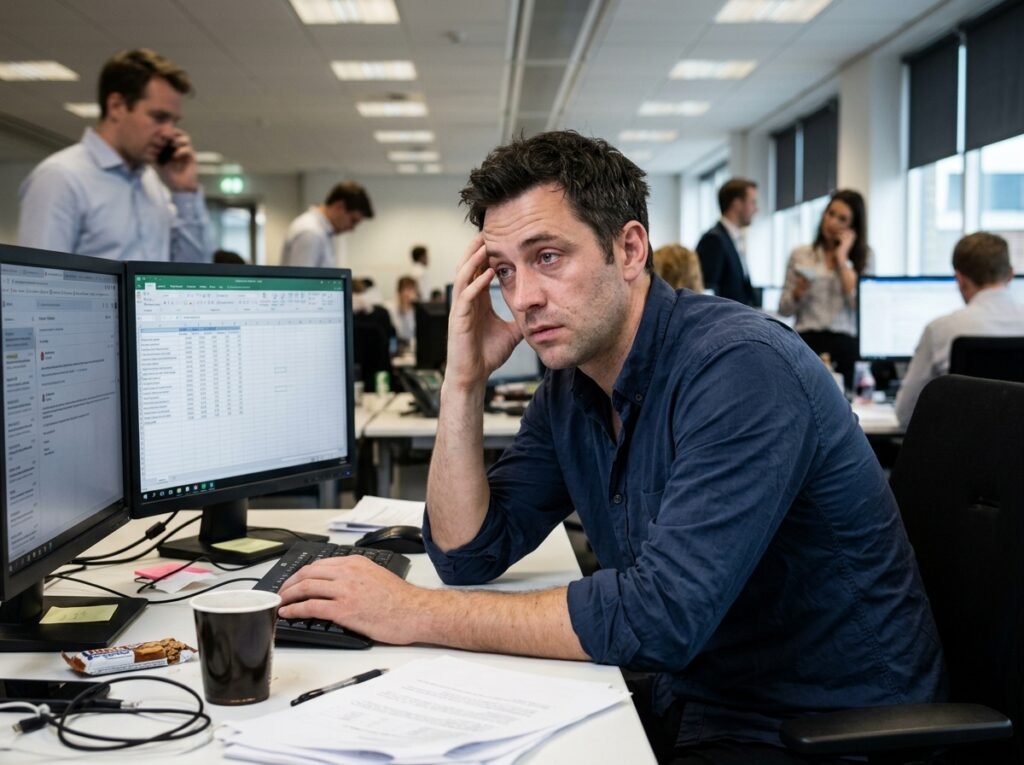
* Easily distracted
* Less motivated
* Mentally drained
* Emotionally overwhelmed
* Less productive during the day
Mental fatigue often reduces the ability to focus clearly, even after a full night in bed.
#Practical example:
A professional working long hours may notice declining concentration and increased mistakes despite staying busy all day.
Stress and Sleep Disruption
Stress and sleep are deeply connected.
Racing thoughts, anxiety, and mental overstimulation may make it harder to relax at night.
Poor sleep can then increase stress sensitivity the next day, creating a difficult cycle.
Common signs include:
* Difficulty falling asleep
* Waking up tired
* Interrupted sleep
* Morning fatigue
* Heavy caffeine dependence
Sleep quality strongly influences recovery, focus, and daily stamina.
Reduced Physical Energy and Motivation
Stress may also affect physical performance and activity levels.
Men experiencing chronic stress often feel:
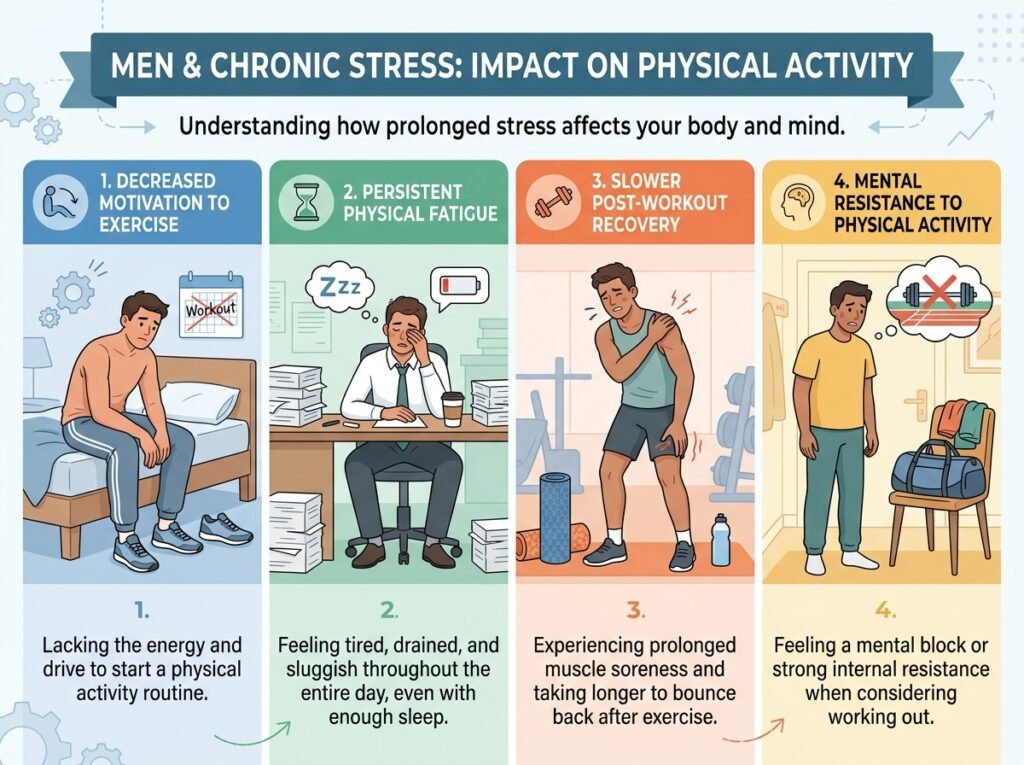
* Less motivated to exercise
* Physically tired throughout the day
* Slower recovery after workouts
* Mentally resistant to physical activity
Over time, lower movement levels may contribute to even lower energy.
Emotional Pressure and Burnout
Stress is not always caused by dramatic life events.
Even constant low-level pressure can slowly reduce emotional resilience.
Examples include:
* Constant notifications
* Never disconnecting from work
* Lack of personal downtime
* Information overload
* Overcommitted schedules
Burnout often develops gradually rather than suddenly.
⚡ Chronic stress can affect energy, motivation, and daily performance. Explore premium wellness supplements that may help support mental clarity, resilience, and long-lasting vitality naturally. >>>>> Click Here
Lifestyle Habits That May Increase Stress Levels
Some daily habits unintentionally make stress worse.
Excessive Screen Time
Constant phone use keeps the brain mentally active all day.
Late-night screen exposure may also interfere with relaxation and sleep quality.
Poor Recovery Habits
Many men stay productive from morning until bedtime without enough mental or physical recovery.
Recovery is essential for maintaining energy and focus long-term.
Too Much Caffeine
Heavy caffeine intake may temporarily increase alertness, but sometimes worsens sleep quality and energy crashes later.
Sedentary Lifestyle
Long hours of sitting with little movement may contribute to low energy and mental fatigue.
Natural Ways to Reduce Stress and Improve Energy
Small lifestyle improvements often create meaningful long-term changes.
Prioritize Better Sleep
Improving sleep quality is one of the most effective ways to support energy and recovery.
Helpful habits include:
* Keeping a regular bedtime
* Limiting screen time before bed
* Creating a calm evening routine
* Reducing caffeine late in the day
* Sleeping in a cool, dark room
#Practical example:
A man who replaces late-night scrolling with reading or stretching may notice better sleep and mental clarity.
Move Your Body Consistently

Exercise supports both mental and physical wellness.
Helpful activities include:
* Walking
* Strength training
* Stretching
* Cycling
* Outdoor activities
Regular movement may help support:
* Stress balance
* Mood stability
* Better sleep
* Daily focus
* Long-term stamina
Create Digital Boundaries
Mental overload often improves when people disconnect intentionally.
Helpful ideas include:
* Turning off unnecessary notifications
* Limiting work emails at night
* Taking social media breaks
* Scheduling phone-free time
The brain needs periods of quiet and recovery.
Improve Nutrition and Hydration
Daily food choices influence energy and mental performance.
Helpful habits include:
* Drinking enough water
* Eating balanced meals
* Reducing excessive sugar intake
* Including protein and healthy fats
* Avoiding heavy late-night meals
Natural Supplements Often Used for Stress and Energy Support
Many men also explore wellness supplements as part of balanced lifestyle routines.
Supplements work best alongside healthy habits.
Magnesium
Commonly used for:
* Relaxation support
* Recovery routines
* Sleep quality support
Ashwagandha
Often included in wellness routines focused on:
* Stress management
* Emotional balance
* Recovery support
Rhodiola Rosea
Popular for:
* Mental stamina
* Productivity support
* Stress resilience
Omega-3 Fatty Acids
Often associated with:
* Brain wellness
* Mental clarity
* Healthy lifestyle support
Customer Reviews and Real-Life Experiences
Customer Reviews
Men who improve stress-management habits often report benefits such as:
* Better daily focus
* More balanced energy
* Improved sleep quality
* Better exercise consistency
* Reduced mental fatigue
* More stable mood and motivation
Examples include:
* A business owner improving recovery through better work-life boundaries.
* A father reducing stress by improving sleep and outdoor activity routines.
* A remote worker feels more productive after reducing digital overload and taking movement breaks.
Most improvements happen gradually through consistent daily habits.
Why Recovery Is Essential for Long-Term Performance
Many men view rest as unproductive, but recovery strongly influences long-term energy and resilience.
Without recovery, stress often accumulates faster than the body and mind can adapt.
Healthy recovery activities include:
* Walking outdoors
* Exercise
* Time with family
* Hobbies
* Relaxation routines
* Quiet time away from screens
Balance is often more sustainable than constant productivity.
Stress and fatigue can slowly reduce confidence, focus, and physical performance. Try trusted wellness supplements that may help support recovery, energy balance, and healthier daily routines naturally. >>>>> Click Here
Internal Linking Suggestions
You may internally link this article to:
* [How Lifestyle Habits Affect Daily Performance]
* [Mental Fatigue vs Physical Fatigue Explained]
* [Chronic Stress Effects on Brain and Body]
* [10 Simple Quick Ways to Relieve Stress and Reduce Anxiety]
* [Morning and Evening Routine]
External Reference Suggestions
For credibility and additional learning, reference trusted sources such as:
* Stress management organizations
* Sleep health resources
* Wellness and healthy aging publications
* Fitness and recovery experts
* Public health organizations
FAQs: How Stress Affects Male Performance and Energy
Can stress really reduce energy levels?
Yes. Ongoing stress may affect sleep quality, recovery, focus, and emotional balance, which can reduce daily energy over time.
Why does stress affect sleep?
Stress may keep the mind mentally active and make relaxation more difficult before bedtime.
Can exercise help reduce stress naturally?
Regular movement may help support mood balance, mental clarity, and stress management.
How does burnout develop?
Burnout often develops gradually from prolonged stress, lack of recovery, and constant mental pressure.
Can poor sleep worsen stress?
Yes. Poor sleep may increase stress sensitivity and reduce emotional resilience during the day.
Are supplements enough to improve energy?
Supplements work best when combined with healthy sleep, nutrition, exercise, and stress-management habits.
How long does it take to feel improvements?
Many people notice gradual improvements within weeks after consistently improving recovery and lifestyle habits.
When Should You See a Doctor?
While stress is a normal part of life, persistent symptoms that affect your daily functioning should not be ignored. Consider consulting a healthcare professional if you experience:
- Ongoing fatigue or low energy that does not improve with rest, sleep, or lifestyle changes
- Persistent anxiety, sadness, or mood changes that interfere with work, relationships, or daily activities
- Difficulty concentrating, memory problems, or severe brain fog that continues for weeks or months
- Chronic sleep problems, including insomnia, frequent nighttime awakenings, or waking up exhausted
- Chest pain, shortness of breath, dizziness, or heart palpitations, especially during periods of stress
- Unexplained weight changes or significant changes in appetite
- Symptoms of burnout that make it difficult to perform normal responsibilities or enjoy daily life
In some cases, chronic stress may contribute to or worsen underlying health conditions, including sleep disorders, anxiety, depression, high blood pressure, and other medical concerns. A healthcare professional can help identify potential causes and recommend appropriate treatment or support.
Seeking help early can improve recovery, protect long-term health, and help restore energy, focus, and overall well-being.
Conclusion: How Stress Affects Male Performance and Energy
Stress affects much more than mood. Over time, it may quietly reduce focus, motivation, recovery, sleep quality, physical stamina, and overall performance.
The good news is that small daily changes can make a meaningful difference. Better sleep habits, movement, stress management, balanced nutrition, recovery routines, and healthier digital boundaries may all help support long-term energy and resilience naturally.
Improving energy is often less about doing more and more and more about recovering better.
Small, consistent habits usually create the strongest long-term results for both body and mind.
Medical References:
American Psychological Association (APA). Stress Effects on the Body.
National Institute of Mental Health (NIMH). Coping With Stress.
Mayo Clinic. Stress Symptoms: Effects on Your Body and Behavior.
Centers for Disease Control and Prevention (CDC). Stress and Coping.
National Sleep Foundation. Sleep, Stress, and Recovery Resources.
These references support the article’s discussion of stress, sleep, mental fatigue, energy levels, recovery, and overall male wellness.
Disclaimer
This content is for educational purposes only and is not medical advice.
Discover more insights on mindful living, mental clarity, and holistic wellness by visiting mindbodyshifts.com.
Explore our latest articles and practical ideas designed to help you create meaningful mind–body balance in everyday life.